
Why Small Kitchen Design Layout Matters More Than Square Footage
Best small kitchen design layout options can transform even the tiniest cooking space into a highly functional and stylish heart of your home. Here’s what works:
Top 4 Small Kitchen Layouts:
- Galley Kitchen – Two parallel counters with a walkway between (4-6 feet wide). Best for narrow spaces and efficient workflow.
- L-Shaped Kitchen – Uses two adjoining walls, creating a natural work triangle. Ideal for open-concept living and adding a small island.
- U-Shaped Kitchen – Three walls of cabinets and counters. Maximizes storage and counter space while maintaining the work triangle.
- One-Wall Kitchen – All cabinets and appliances along a single wall. Great for studios, minimalist designs, and tight renovation budgets.
Quick Layout Selection Guide:
- Galley: Narrow, rectangular rooms
- L-Shaped: Corner spaces, open floor plans
- U-Shaped: Square rooms needing maximum storage
- One-Wall: Studio apartments, tight budgets, open loft-style spaces
There’s an old Italian saying: “La cucina piccola fa la casa grande” – a small kitchen makes a big house. This wisdom challenges the American obsession with massive cooking spaces and reminds us that thoughtful design matters far more than square footage.
If you’re working with a kitchen under 150 square feet (or even less), you’re not alone. Many Orlando and Central Florida homeowners face the challenge of creating functional cooking spaces in compact footprints. The good news? A well-planned small kitchen can actually be more efficient than a sprawling one.
The key lies in understanding how to optimize your layout for your specific space. Whether you’re planning a full remodel or looking to improve your existing kitchen, choosing the right layout is the foundation of success. When you place your sink, stove, and refrigerator in the optimal positions – keeping them roughly 4 to 9 feet apart – you create a workflow that minimizes wasted steps and maximizes productivity.
This guide walks you through the proven layouts that work best for small kitchens, plus the storage solutions, design tricks, and professional insights you need to make every inch count.

Best small kitchen design layout terms explained:
Understanding the Fundamentals of Small Kitchen Design
When space is at a premium, every decision in your kitchen design becomes critical. We believe that a small kitchen is an invitation to blend creativity, function, and personal aesthetic. It’s not just about fitting things in; it’s about crafting an environment where you love to cook, gather, and live.
According to the National Kitchen and Bath Association (NKBA), any kitchen 150 square feet or under is considered a small kitchen. Some condo dwellers in Central Florida, for instance, might be working within the confines of 70 square feet or even less. The success of these compact spaces hinges on understanding basic design principles that ensure efficiency and comfort.
The Kitchen Work Triangle
The cornerstone of efficient kitchen design, regardless of size, is the kitchen work triangle. This concept connects your three primary work areas: the sink, the stove (or cooking surface), and the refrigerator. The goal is to minimize the steps you take between these three points during meal preparation, cooking, and cleanup.
In an average-sized kitchen, the NKBA recommends each leg of this triangle be between 4 and 9 feet. For a best small kitchen design layout, this distance will naturally fall toward the shorter end, making the work triangle even more impactful. By keeping these three essential zones within easy reach, we can streamline your meal prep and make cooking a breeze, even in the most compact spaces. It’s about creating a modern kitchen that works for you, not against you.
Measuring Your Space
Before any design work begins, precise measurements are paramount. This isn’t just about length and width; it’s about understanding every nuance of your space. We recommend taking accurate measurements of walls, windows, and doorways. Crucially, map out the existing locations of electrical outlets and plumbing lines, as moving these can significantly impact your budget and timeline.
Consider how appliance doors will swing open – a refrigerator door shouldn’t block a pathway or another appliance. Think about cabinet and drawer clearances too; you need enough space to comfortably open them without obstruction. Creating a detailed floor plan, even a simple sketch, that includes these elements will serve as your blueprint, helping us plan the most effective layout for your small kitchen. This meticulous approach ensures that every inch is accounted for, preventing costly surprises down the line.
The Most Effective Small Kitchen Design Layouts
Choosing the right layout is the most crucial decision for a small kitchen. It dictates workflow, storage capacity, and how open or enclosed the space feels. While there are many variations, a few core layouts consistently prove to be the best small kitchen design layout options for optimizing limited square footage. The best layout is ultimately dictated by the room itself, its existing structure, and your personal needs.
To help you decide, let’s compare the most common layouts that excel in small spaces:
| Layout Type | Pros | Cons | Best For |
|---|---|---|---|
| Galley | Highly efficient workflow; Maximizes counter and storage space in narrow rooms; Minimal movement between stations. | Can feel narrow or claustrophobic; Limited seating options; Can restrict multiple cooks. | Narrow, rectangular spaces; Single-cook households; High-efficiency needs. |
| L-Shaped | Flexible for open-concept living; Good work triangle; Can accommodate a small island or dining nook; Interactive for entertaining. | Work areas can be far apart if walls are long; Corner cabinets can be underused without smart solutions. | Corner spaces; Open floor plans; Those who want a dining area in the kitchen. |
| U-Shaped | Maximum counter and cabinet space; Excellent work triangle; Encloses the workspace for focused cooking. | Can feel enclosed or cramped in very small rooms; Challenging for seating; Limited interaction with guests. | Square rooms that need extensive storage and counter space; Dedicated home cooks. |
| One-Wall | Most space-saving; Cost-effective (less plumbing/electrical work); Airy feel; Ideal for open layouts. | Limited counter space; Can feel disorganized without vertical storage; Less efficient work triangle. | Studio apartments; Very small, narrow rooms; Budget-conscious remodels. |
The Galley Kitchen
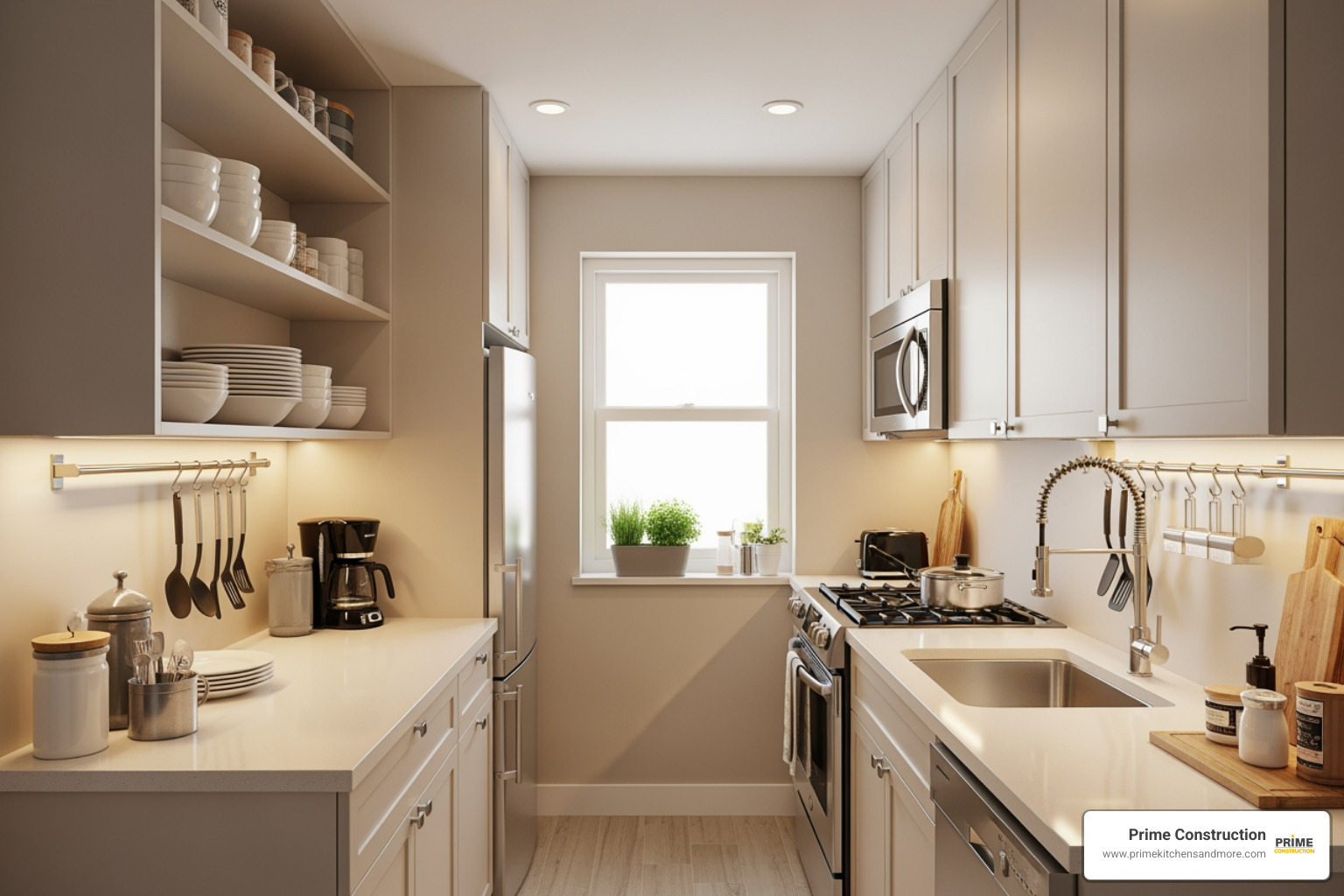
Named for its resemblance to a ship’s galley, this layout features two parallel counters with a walkway in between. It’s often considered one of the most efficient layouts for narrow or rectangular spaces. In a galley kitchen, your appliances and main work zones are typically arranged along these two opposing walls, creating a highly streamlined workflow.
Pros: The galley kitchen is a powerhouse of efficiency. With everything in close proximity, it minimizes steps and makes cooking incredibly fluid. It maximizes counter space and storage within its linear footprint.
Cons: The main challenge is that a galley kitchen can feel narrow or claustrophobic, especially if the walkway is too tight. It generally limits the number of people who can comfortably work in the kitchen at once and offers few options for integrated dining. We recommend a walkway of at least 4 to 6 feet wide for comfortable movement and to allow appliance doors to open fully without obstruction.
The L-Shaped Kitchen
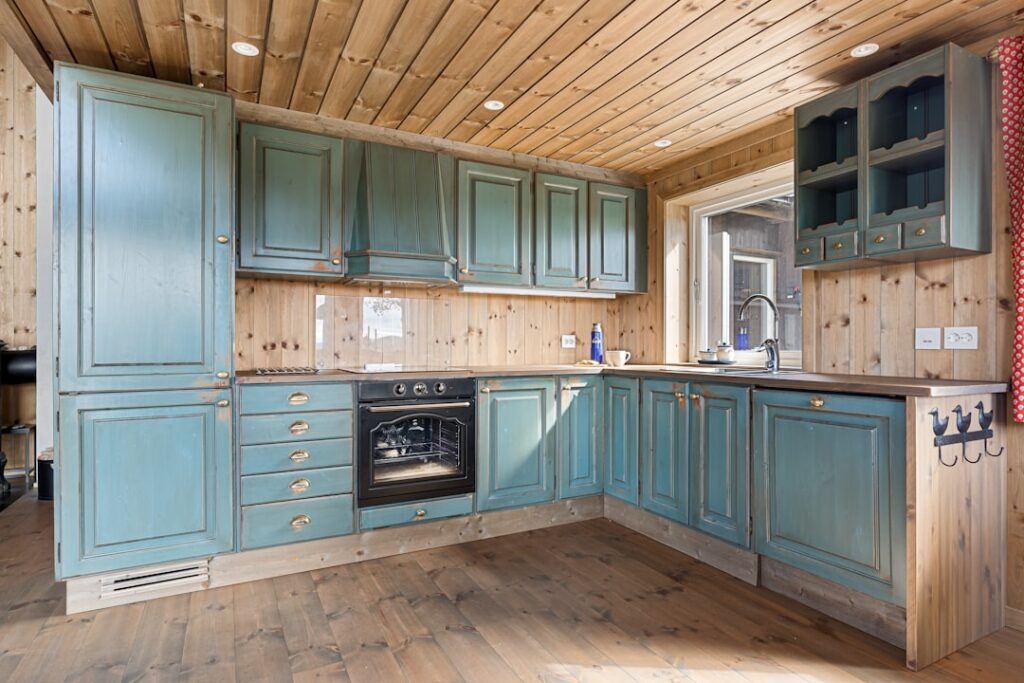
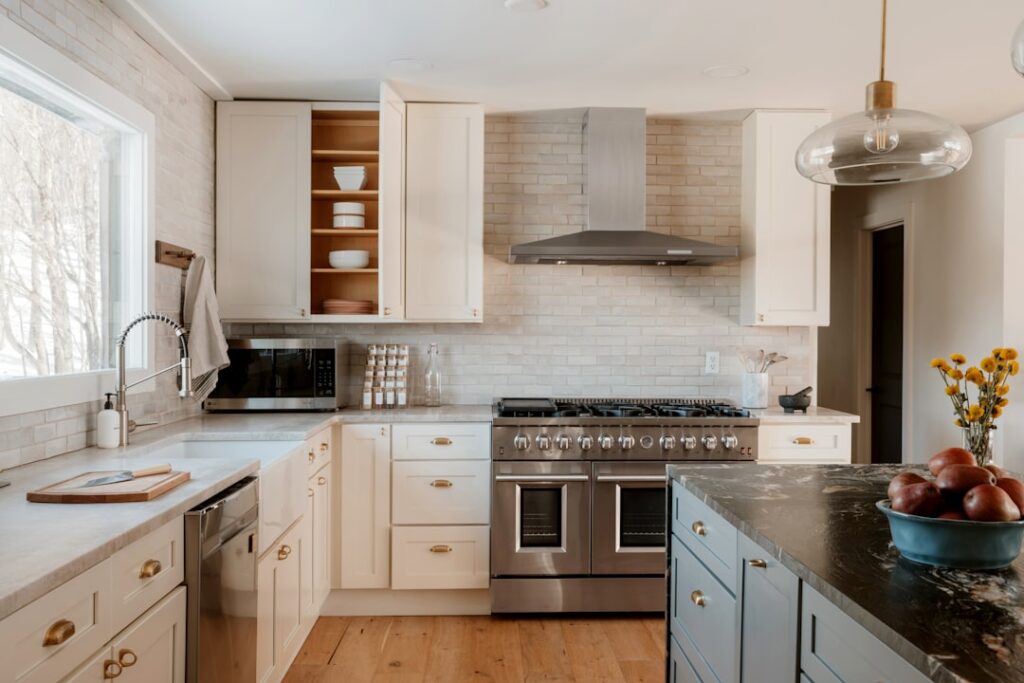
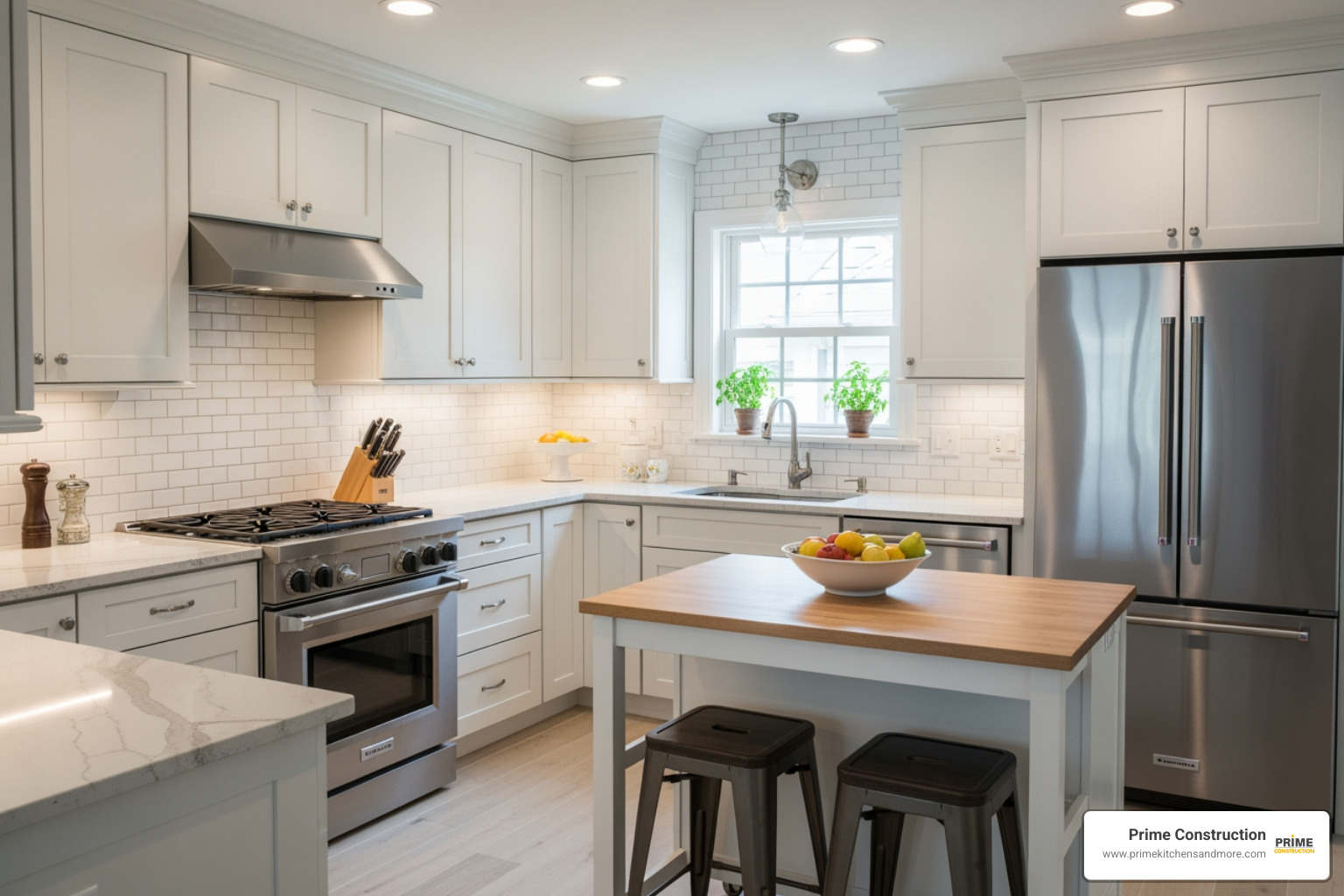
The L-shaped kitchen uses two adjoining walls, forming an “L” configuration. This layout is a favorite for its flexibility and ability to support an efficient work triangle. It often tucks neatly into a corner, freeing up the center of the room.
Pros: The L-shape is incredibly versatile, making it one of the best small kitchen design layout options. It’s often found in open-concept living spaces because it naturally separates cooking and cleaning zones while keeping everything within easy reach. This layout provides ample counter space and offers the potential to incorporate a small movable island or a breakfast bar, enhancing both prep space and social interaction. It’s multipurpose, interactive, and great for entertaining.
Cons: One potential drawback is that if the “L” is too long, the work areas can feel far apart, breaking the efficiency of the work triangle. Corner cabinets can also become underused without clever storage solutions like pull-out shelves or carousels.
The U-Shaped Kitchen
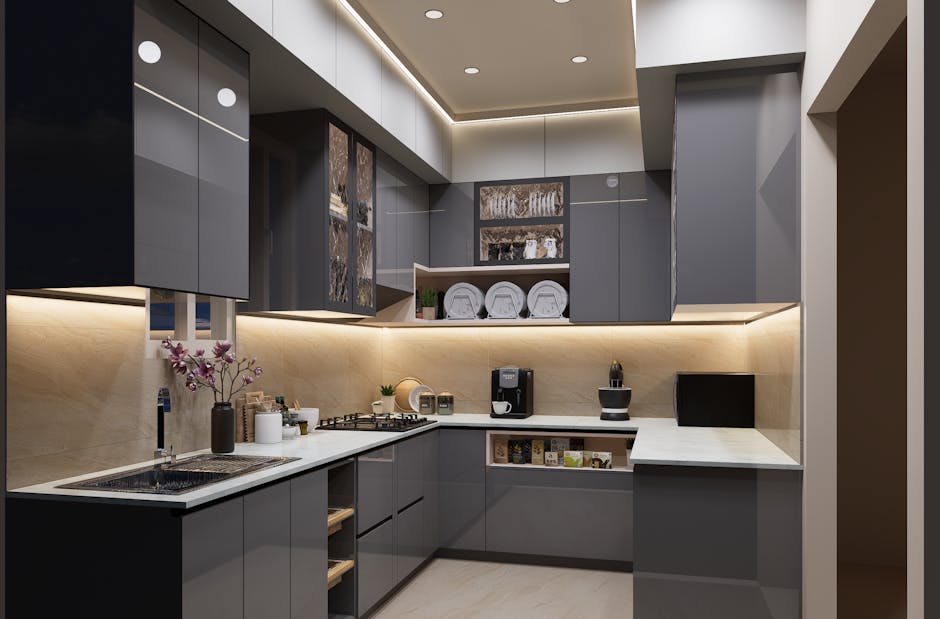
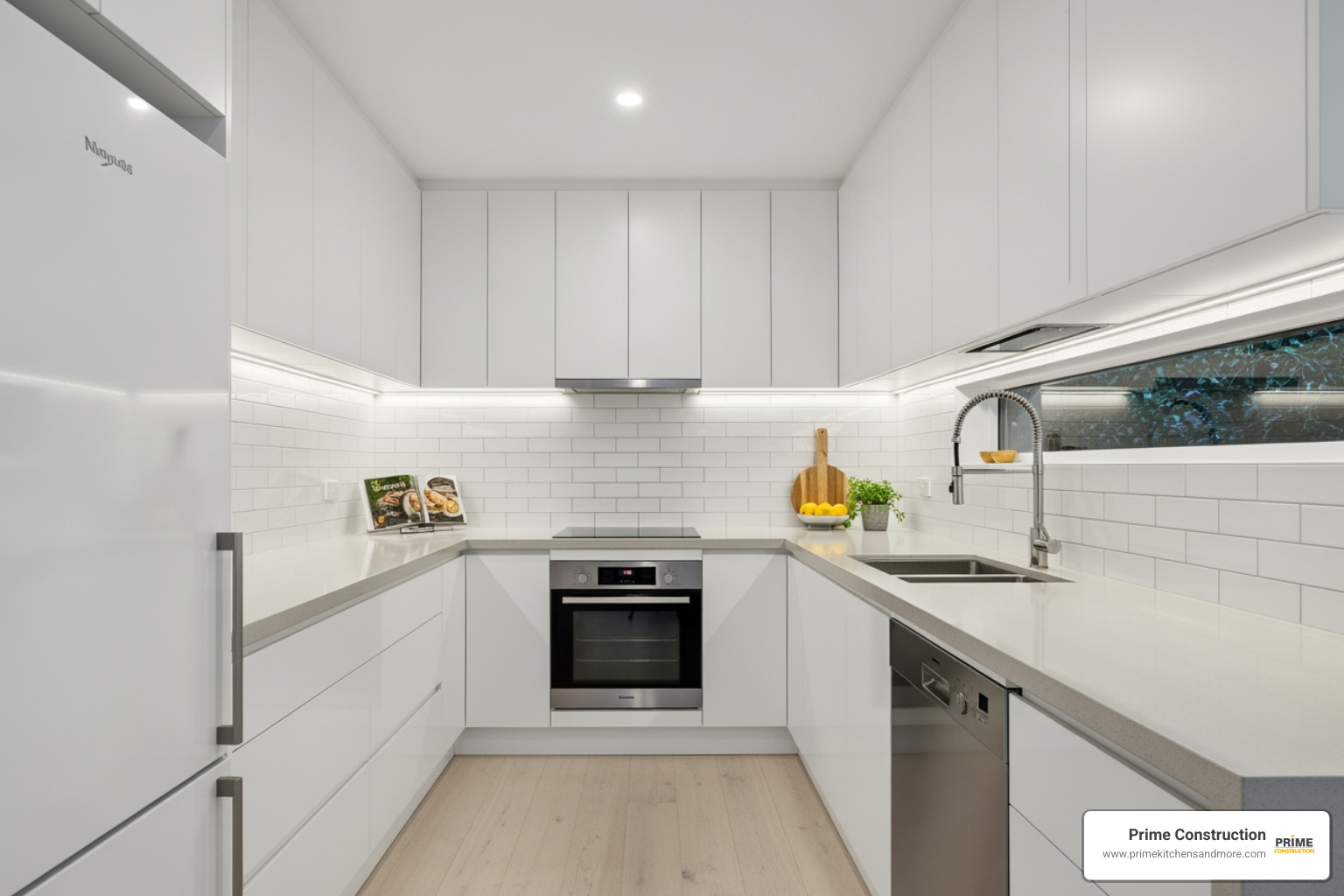
The U-shaped kitchen features cabinets and countertops along three walls, forming a “U” shape. This layout is a champion for maximizing storage and counter space, making it ideal for those who love to cook and need ample room for prep and ingredients.
Pros: If extensive counter and cabinet space are your top priorities, the U-shaped kitchen delivers. It naturally creates a highly efficient work triangle, with the sink, stove, and refrigerator typically occupying different legs of the “U.” This design encloses the workspace, allowing for focused cooking.
Cons: In very small rooms, a U-shaped kitchen can feel enclosed or cramped, especially if upper cabinets are used on all three walls. Seating arrangements can be challenging, and it might limit interaction with guests while cooking. We often suggest incorporating open shelving or glass-front cabinets on one wall to alleviate the “closed-in” feeling.
The One-Wall Kitchen
As its name suggests, the one-wall kitchen places all appliances, cabinets, and countertops along a single wall. This layout is the ultimate space-saver and is commonly found in studio apartments, lofts, or very small homes where space is extremely limited.
Pros: The one-wall kitchen is the most cost-effective option because plumbing and electrical lines are confined to a single wall, simplifying installation. It creates an airy, open feel, making it suitable for open-concept living. While it doesn’t form a traditional work triangle, a linear workflow can still be efficient if planned carefully. Open shelving or a small, movable island can improve its functionality and aesthetic.
Cons: The primary challenge is limited counter space and storage. Without vertical storage solutions, it can quickly become cluttered. It also makes it harder to achieve an ideal work triangle, which might impact efficiency for avid cooks.
Maximizing Every Inch: Storage & Space-Saving Strategies
In a small kitchen, every inch truly counts. We know that a compact kitchen doesn’t have to sacrifice functionality or style. The secret lies in clever storage solutions and space-saving strategies that keep your countertops clear and your workflow smooth. It’s about thinking vertically, creatively, and multi-functionally.
How to Optimize Vertical Space for the Best Small Kitchen Design Layout
When horizontal space is limited, the only way to go is up! Utilizing vertical space is one of the most impactful strategies for any best small kitchen design layout.
- Floor-to-Ceiling Cabinetry: Extend your cabinets all the way to the ceiling. While you might need a step stool for the highest shelves, these provide invaluable storage for seasonal items or less frequently used appliances, keeping them out of sight and off your precious counter space.
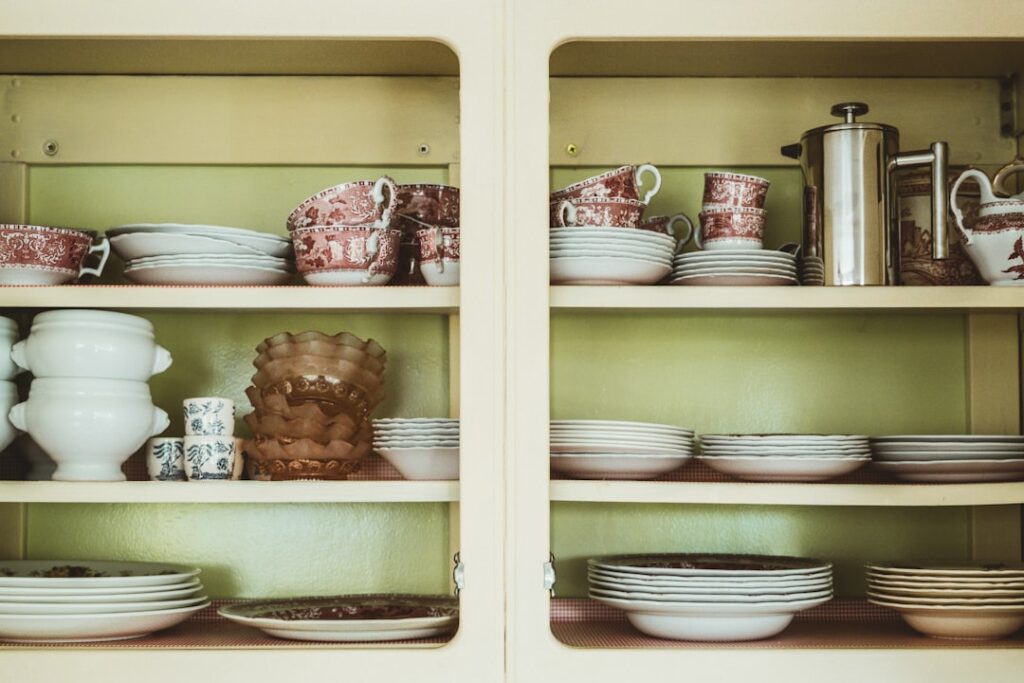
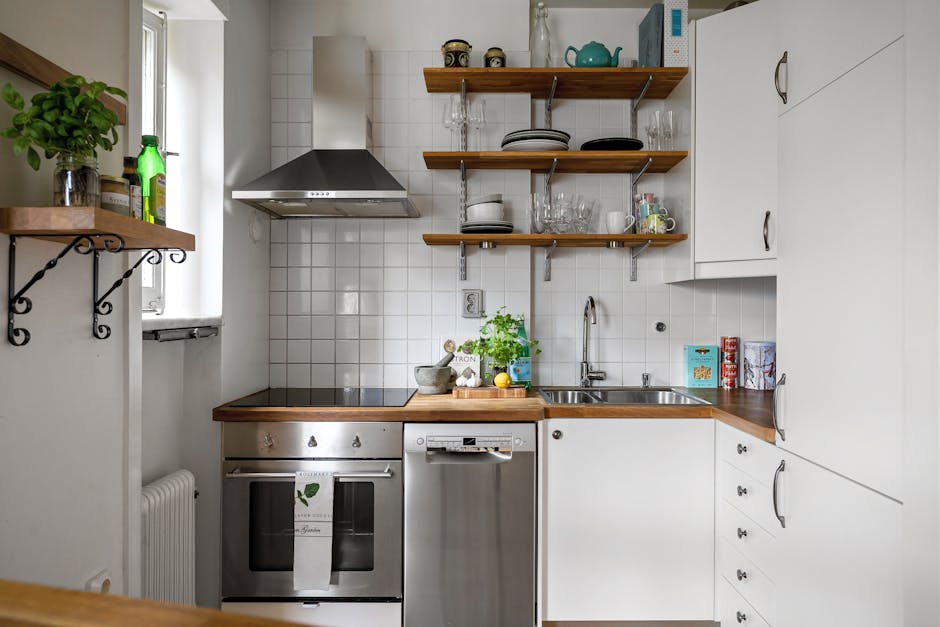
- Open Shelving: Instead of bulky upper cabinets, consider open shelving. This creates an airy feel, making the room appear larger, and provides easy access to everyday dishes or decorative items. Just remember to keep them tidy to avoid a cluttered look!
- Wall-Mounted Racks: Magnetic knife strips, pot racks, and utensil rails free up drawer and counter space. Hanging pots and pans from a ceiling-mounted rack can be both practical and a stylish design element.
Clever Cabinet and Drawer Solutions
The inside of your cabinets and drawers holds immense potential for organization and space-saving. We focus on integrating smart solutions that make every nook and cranny work harder.
- Pull-Out Pantries (Slim Larder Units): These narrow, tall units are game-changers. They slide out to reveal shelves stacked with spices, cans, or dry goods, making everything visible and accessible.
- Corner Carousels (Lazy Susans) & Pull-Out Corner Units: Corner cabinets are notorious for becoming black holes. Carousels or kidney-shaped pull-out shelves bring items from the back of the cabinet right to you, making previously lost space highly functional.
- Toe-Kick Drawers: Don’t overlook the space beneath your base cabinets! Toe-kick drawers are perfect for storing flat items like cookie sheets, serving trays, or even pet bowls.
- Drawer Dividers & Organizers: Keep cutlery, utensils, and even small appliances neatly organized with custom dividers. This prevents clutter and ensures you can find what you need quickly.
- Appliance Garages: A dedicated cabinet space with a roll-up or swing-out door can hide away small appliances like toasters, blenders, or coffee makers, keeping your countertops clear while still providing easy access.
Space-Saving Appliances and Dining Areas
The right appliance choices and creative dining solutions are essential for a functional small kitchen.
- Compact Appliances: Many manufacturers now offer narrower versions of standard appliances. You can find stoves as slim as 20-24 inches (compared to standard 30 inches), 10-12 inch sinks, 24-inch wide refrigerators, and 18-inch dishwashers. These smaller footprints can make a significant difference.
- Counter-Depth Refrigerators: While not necessarily smaller in width, counter-depth refrigerators sit flush with your cabinetry, providing a seamless look that prevents the appliance from jutting out and interrupting your kitchen’s flow.
- Drawer Dishwashers & Microwaves: These innovative appliances integrate beautifully into cabinetry, freeing up counter space and providing a sleek, uncluttered look. Microwaves can also be mounted under cabinets or built into tall units.
- Built-in Breakfast Bars & Custom Peninsula Seating: Instead of a separate dining table, consider extending a countertop to create a breakfast bar with stools. A peninsula can offer all the benefits of an island while hugging one wall, preserving precious floor area. Movable islands on casters or fold-down tables that tuck away when not in use provide flexible dining and prep space for homes in Orlando, Seminole County, and Orange County.
Design Elements to Make Your Kitchen Feel Larger
Even if your kitchen is physically small, we can make it feel larger and more open through clever design choices. It’s all about playing with perception, light, and visual continuity.
Color Palettes and Lighting Strategies
The right colors and lighting can dramatically expand the perceived size of your kitchen.
- Light and Neutral Colors: White, light grays, and pale pastels like seafoam green are your best friends. These colors reflect light, making the space feel brighter and more expansive. A monochromatic scheme, using varying shades of the same light color, can create a seamless look that further improves the sense of openness.
- Reflective Backsplashes: Materials like glass, mirrored tiles, or high-gloss subway tiles bounce light around the room, adding depth and making walls seem to recede.
- Layered Lighting: Relying on a single overhead light can cast shadows and make a small kitchen feel cramped. We recommend a three-tiered lighting scheme:
- Ambient Lighting: General illumination from recessed lights or a stylish flush-mount fixture.
- Task Lighting: Under-cabinet LED strips are crucial for illuminating countertops, making prep work safer and more enjoyable.
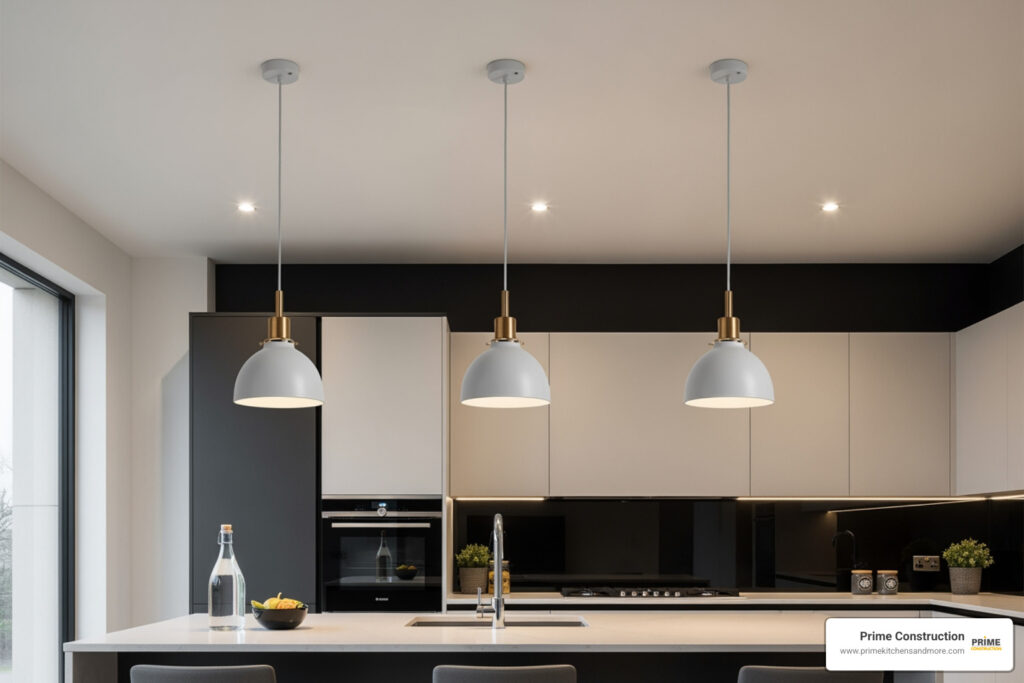
- Accent Lighting: Small pendants over a peninsula or a decorative fixture can add warmth and visual interest without overwhelming the space.
- Natural Light: Maximize any natural light sources. Keep window treatments simple – roller shades or blinds are ideal – and avoid heavy drapes that block light.
How to Personalize Your Best Small Kitchen Design Layout
A small kitchen doesn’t mean a lack of personality. In fact, it’s an opportunity to infuse your unique style into a compact space without sacrificing functionality.
- Statement Backsplashes: A bold, patterned, or textured backsplash can draw the eye and create a focal point, adding character without cluttering surfaces.
- Unique Cabinet Hardware: Swap out generic knobs and pulls for distinctive hardware. Brass, matte black, or vintage-inspired handles can add a touch of luxury or charm.
- Displaying Decor on Shelves: If you have open shelving, curate a small collection of beautiful cookbooks, ceramic dishes, or decorative objects. Just remember to keep it edited to avoid a cluttered look.
- Adding Plants: A few small plants or fresh herbs on a windowsill or shelf bring life and color into the kitchen.
- Runner Rugs: A stylish runner rug can add warmth, texture, and a pop of color, defining the space without taking up too much room.
Budget-Friendly Design Ideas
Renovating a kitchen, even a small one, can be an investment. But there are many ways to achieve a fresh, updated look without breaking the bank.
- Painting Cabinets: A fresh coat of paint can completely transform the look of tired cabinets. Light colors will instantly brighten and modernize your kitchen.
- Peel-and-Stick Tiles: For a quick and affordable backsplash upgrade, peel-and-stick tiles offer a wide variety of styles, from subway to mosaic, without the cost or hassle of traditional tiling.
- Upgrading Faucets: A new, stylish faucet can make a surprisingly big impact. Choose a sleek, modern design or a vintage-inspired piece to lift your sink area.
- DIY Shelving: Installing simple floating shelves yourself is a cost-effective way to add storage and display space.
- New Lighting Fixtures: Swapping out an old light fixture for a more contemporary or neat one can update the entire feel of your kitchen on a budget.
- Strategic Flooring: Large format tiles with minimal grout lines or continuous flooring like vinyl or laminate can create an uninterrupted look that makes the room feel larger, often at a more accessible price point than hardwood.
Frequently Asked Questions about Small Kitchen Layouts
We often hear similar questions from homeowners in Orlando and the surrounding areas when they’re planning their small kitchen remodels. Here are some of the most common ones, with our expert advice.
What is the most efficient layout for a very small kitchen?
For very small kitchens, especially those under 100 square feet, the galley kitchen and L-shaped kitchen layouts are typically the most efficient.
- Galley kitchens excel in narrow spaces, creating a highly organized and efficient workflow where everything is just a step or two away. They maximize linear counter space and storage.
- L-shaped kitchens are fantastic for corner spaces and open-concept designs. They allow for a good work triangle and can feel more open than a galley or U-shaped layout, sometimes even accommodating a small, movable island.
The one-wall kitchen is also incredibly space-saving and cost-effective, particularly for studio apartments, though it offers less counter and storage space. The “best” choice depends on the specific dimensions of your room and how many people will be using the kitchen.
How can I make my small kitchen look bigger and brighter?
Making a small kitchen feel larger and brighter involves a combination of visual tricks and smart design choices:
- Light Color Palette: Use white, light grays, or pale pastels for cabinets, walls, and even countertops. These colors reflect light, making the space feel open and airy.
- Reflective Surfaces: Incorporate glossy cabinet fronts, metallic accents, glass-front cabinets, and reflective backsplashes (like mirrored or high-gloss tiles) to bounce light around the room.
- Maximize Natural Light: Keep windows unobstructed with simple, light-colored treatments like roller shades or blinds.
- Layered Lighting: Ensure you have ambient (general), task (under-cabinet), and accent lighting to eliminate shadows and illuminate every corner.
- Use Vertical Space: Extend cabinets to the ceiling or use open shelving to draw the eye upward, making the room seem taller.
- Minimize Clutter: Keep countertops as clear as possible. Use clever storage solutions to hide away appliances and everyday items.
- Consistent Flooring: Using the same flooring material throughout the kitchen and adjoining rooms (if open concept) can create a seamless flow that makes both spaces feel larger.
Where should the refrigerator go in a small kitchen?
Strategic placement of your refrigerator is crucial in a small kitchen to maintain flow and accessibility. We recommend the following:
- At the End of a Counter Run: Position the refrigerator at the very end of a cabinet run or near the kitchen’s entry point. This keeps it accessible to anyone grabbing a drink or snack without interrupting the main cooking workflow.
- Not Blocking Pathways: Ensure the refrigerator door can open fully without obstructing a walkway, another appliance, or a cabinet. Consider which way the door swings.
- Away from Heat Sources: Ideally, avoid placing the refrigerator directly next to a stove or oven. This helps with energy efficiency, as the fridge won’t have to work harder to stay cool.
- Consider Shallower Depths: If space is extremely tight, look for counter-depth refrigerators that sit flush with your cabinetry, providing a more integrated look.
Remember the work triangle: the refrigerator should be easily accessible from both the sink and the stove, but its placement should always prioritize clear pathways and functionality.
Conclusion
A small kitchen doesn’t mean small dreams. As the Italian saying goes, “La cucina piccola fa la casa grande” – a small kitchen can indeed make a big house by creating a cozy, efficient, and beautifully designed heart of the home. We’ve explored how understanding the kitchen work triangle, choosing the best small kitchen design layout (whether galley, L-shaped, U-shaped, or one-wall), and implementing clever storage solutions can transform even the most compact space into a culinary haven.
By maximizing vertical space, utilizing smart cabinet interiors, selecting space-saving appliances, and employing visual tricks like light color palettes and layered lighting, your small kitchen can feel larger, brighter, and more functional than you ever imagined. Personalizing your space with thoughtful touches on a budget proves that style doesn’t require square footage.
At Prime Kitchens And More, we specialize in making these changes a reality for homeowners across Orlando, Orange County, Seminole County, Winter Park, Apopka, Maitland, Ocoee, Windermere, Winter Garden, Lake Buena Vista, Kissimmee, Alafaya, Baldwin Park, Bay Hill, Belle Isle, Bithlo, Doctor Phillips, Eatonville, Edgewood, Fairview Shores, Gotha, Holden Heights, Hunters Creek, Lockhart, Meadow Woods, Oak Ridge, Pine Castle, Pine Hills, Sky Lake, Southchase, Taft, Tangelo Park, Union Park, Wedgefield, Williamsburg, and Zellwood. With 15 years of experience in full house remodeling, focusing on kitchen and bathroom design, we understand the unique challenges and incredible potential of small spaces. We use premium materials and offer personalized services to ensure high-quality results that meet and exceed your expectations.
Don’t let limited space limit your vision. With thoughtful planning and expert guidance, your small kitchen can achieve big style and unparalleled functionality.
Start planning your Orlando kitchen remodel today to schedule your consultation.