
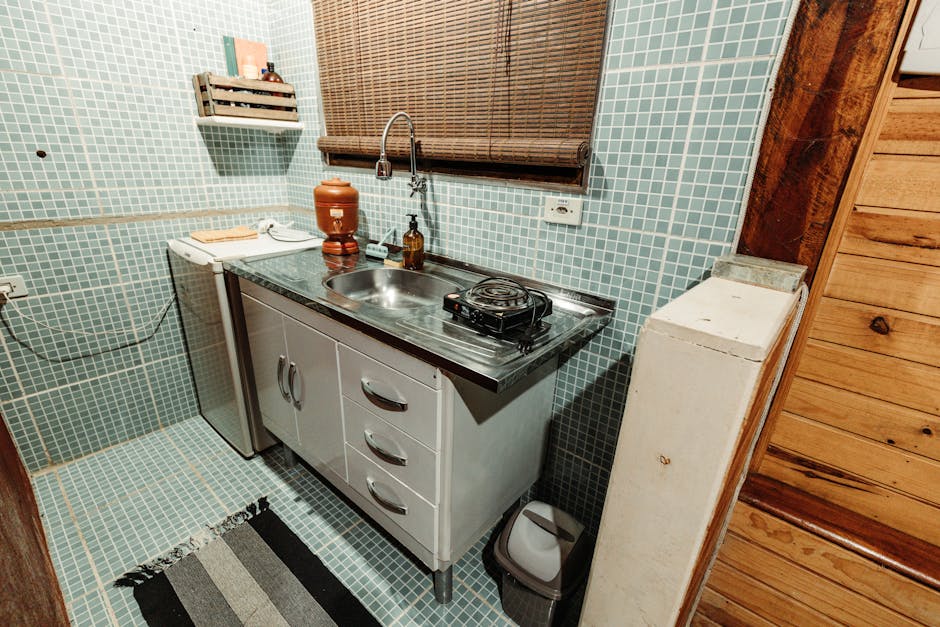
Small Kitchen Layout Ideas That Actually Work
Small kitchen layout ideascome down to a handful of proven configurations that make the most of limited square footage.
The most effective small kitchen layouts at a glance:
- Galley– Two parallel counters with a 42-48 inch aisle; best for narrow spaces
- L-Shaped– Cabinets on two adjoining walls; great for open-plan homes
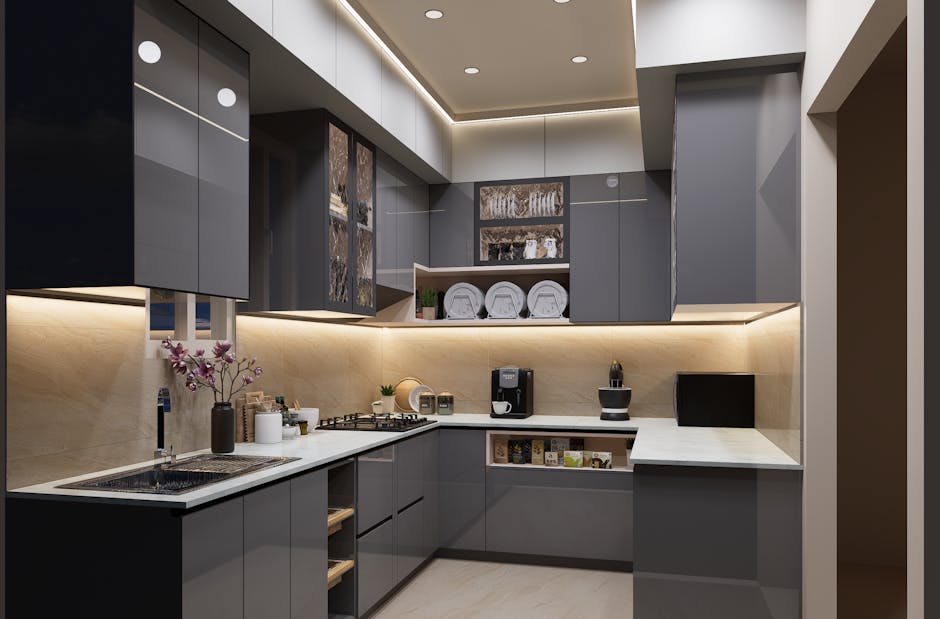
- U-Shaped (Horseshoe)– Three walls of storage; maximizes workspace in square rooms
- Single-Wall– Everything on one wall; ideal for studios and apartments
- Peninsula– Like an L-shape with an attached extension; adds seating and room division
A cramped kitchen is rarely a cozy thing. Unlike a small den or bedroom that can feel warm and intimate, a kitchen that’s tight and poorly arranged gets frustrating fast — especially if you cook regularly or share the space with others.
Here’s the thing:most small kitchens don’t fail because of their size.They fail because of poor spatial planning. As designer Sarah Susanka puts it,“Small kitchens fail because of poor spatial planning, not lack of cabinets.”
The good news? Whether you’re working with 60 square feet or under 100, the right layout — combined with smart storage, proper clearances, and a few visual tricks — can make your kitchen feel twice as large and work twice as hard.
This guide walks you through exactly how to do that.

Small kitchen layout ideasterms made easy:
Core Small Kitchen Layout Ideas for Maximum Efficiency
When we sit down with homeowners in Orlando or Winter Park to discuss a remodel, the first thing we look at is the footprint. You can’t fight the walls you have, but you can certainly make them work harder. For kitchens under 80 square feet, every inch is a premium.

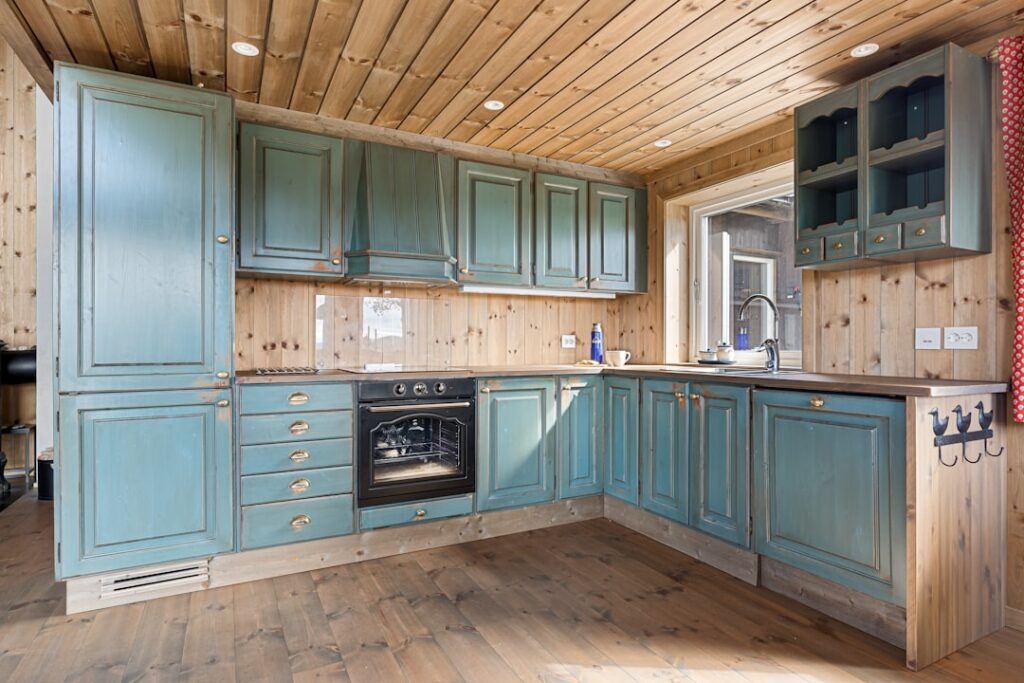
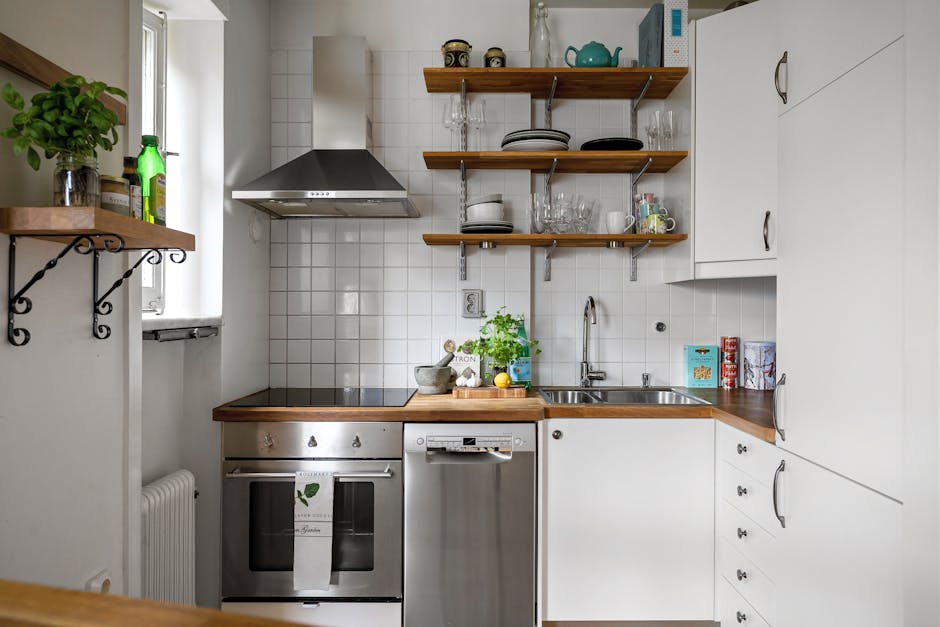
The most commonsmall kitchen layout ideasrevolve around four core shapes. TheSingle-Walldesign is the ultimate space-saver for studios, keeping all appliances and prep areas on one plane. On the other hand, theHorseshoe or U-shapedlayout wraps around three walls, which is fantastic for maximizing countertop area in a square room. If you are dealing with a specific 8×10 space, you can explore moresmall kitchen 8 by 10 kitchen layoutoptions to see how these shapes fit.
| Layout Type | Ideal Total Width | Best For | Pro Tip |
|---|---|---|---|
| Galley | 7–9 feet | Narrow rooms | Keep tall units at one end to avoid a “tunnel” feel. |
| L-Shaped | 8–10 feet | Open plans | Use the corner for a “Lazy Susan” or pull-out rack. |
| U-Shaped | 10–12 feet | Square rooms | Ensure 42″ of clearance between facing cabinets. |
| Single-Wall | 5–8 feet | Studios/ADUs | Go vertical with floor-to-ceiling cabinets. |
The Galley: A Professional Chef’s Small Kitchen Layout Ideas
There is a reason why professional kitchens on ships and in high-end restaurants often use the galley layout. It is incredibly efficient. By placing two parallel counters with a central aisle, you minimize the steps between the fridge, sink, and stove.
For a galley to function well, we recommend an aisle width of42 to 48 inches. This ensures that even if the dishwasher door is open, you can still squeeze past. If your space is tighter, a minimum of 36 inches is doable for a single cook, but it might feel a bit like a submarine. When planning these tight tolerances, gettingexpert design supportcan prevent costly mistakes like doors that knock into each other.
L-Shaped and U-Shaped Configurations
If your kitchen is tucked into a corner of a larger living area, theL-shapeis likely your best friend. It uses two adjoining walls to create a natural work triangle while leaving the rest of the room open for a dining table or a small island.
TheU-shape (or Horseshoe)is the heavy lifter of storage. It surrounds the cook on three sides, providing ample “landing zones” next to the appliances. However, in a small square room, the corners can become “dead zones” where Tupperware goes to die. We solve this by installing corner pull-outs or “magic corners” that bring the contents to you. For more inspiration on these shapes, check out oursquare kitchen renovation ideas.
Space-Saving Storage and Smart Clearances
In a compact kitchen, “clearance” is the difference between a joy to cook in and a daily headache. We follow National Kitchen & Bath Association (NKBA) standards: walkways should be at least36 inches wide. If you frequently have two people in the kitchen, aim for42 to 48 inchesto allow for “passing zones.”
Don’t forget the “swing factor.” A refrigerator door or oven door can take up 24 to 30 inches of space when fully open. If your aisle is only 36 inches, an open oven door effectively blocks the entire kitchen. This is wherefitted small kitchensshine—custom cabinetry can be designed to accommodate these tight arcs perfectly. You can also review thenotice at collectionfor privacy details if you’re browsing design boards for more inspiration.
Vertical and Hidden Storage Solutions
When you run out of floor space, look up! Floor-to-ceiling cabinets are one of our favoritesmall kitchen layout ideas. They provide massive amounts of storage for items you only use occasionally (like that Thanksgiving turkey platter).
Other “hidden” gems include:
- Toe-kick drawers:Perfect for flat items like baking sheets or placemats in that wasted 4-inch space under your lower cabinets.
- Pull-out pantries:A 6-inch wide gap next to the fridge can become a full-height spice and dry goods rack.
- Magnetic racks and pegboards:Moving knives and pans onto the walls frees up precious drawer and counter space.
For more deep-dives into maximizing every inch, see our guide onkitchen design for small space.
Adapting the Work Triangle for Tiny Footprints
The “Work Triangle”—the path between your sink, stove, and refrigerator—is the gold standard of kitchen design. In a tiny kitchen, the perimeter of this triangle should ideally be between12 and 26 feet.
In very small spaces, like a studio in Baldwin Park or a guest house in Windermere, we sometimes have to “break” the triangle and move towardZone Grouping. This means grouping tasks together: a “cleaning zone” (sink and dishwasher), a “prep zone” (counter and trash), and a “cooking zone” (stove and microwave). This keeps the chef’s workflow linear and efficient even without a perfect triangle.
Visual Expansion: Lighting, Finishes, and Flooring
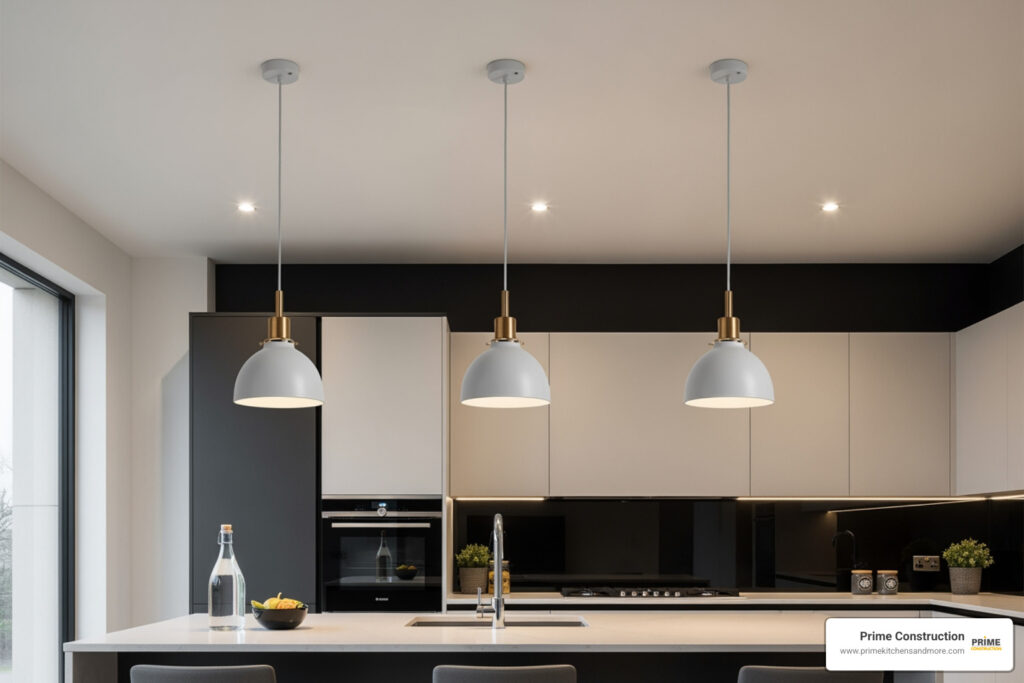
You can’t physically push the walls back, but you can certainly trick the eye into thinking you did. Light is your best tool here.
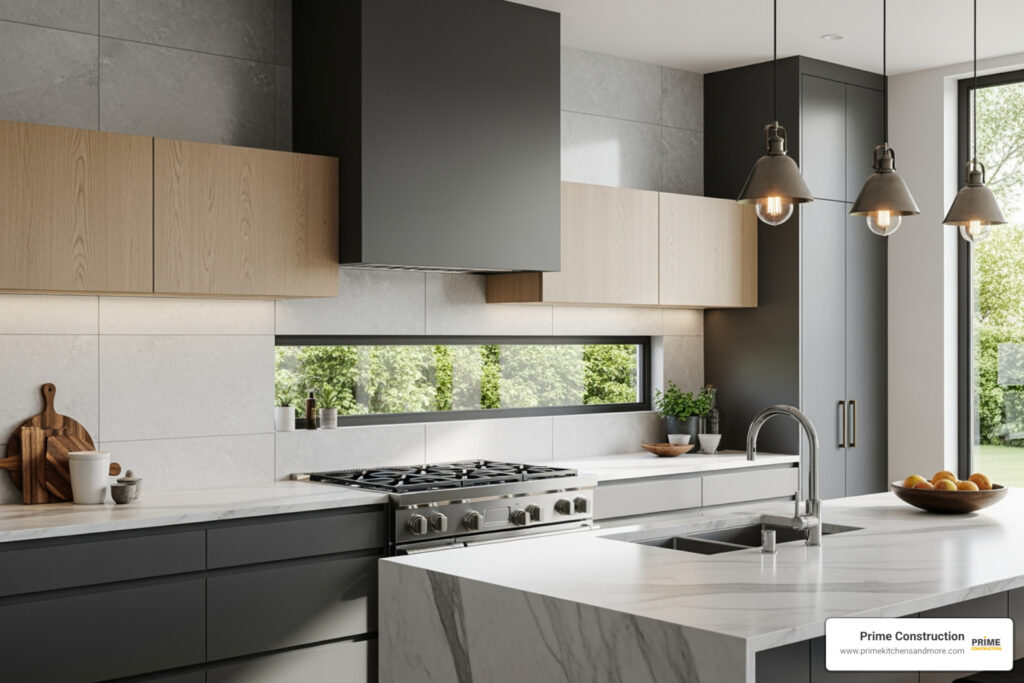
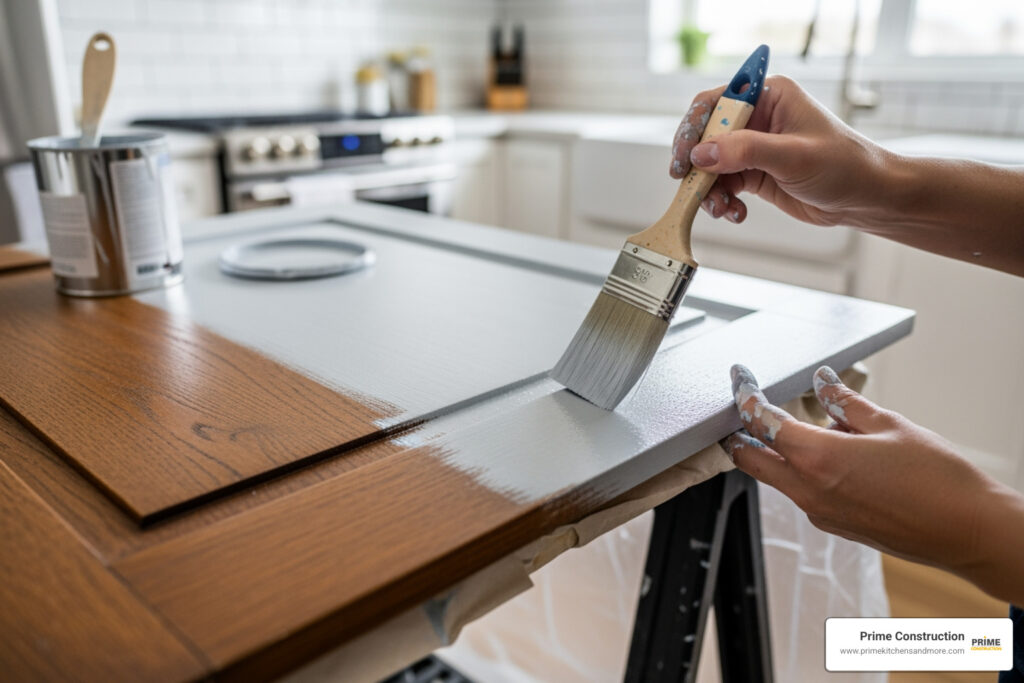
High-gloss finishes and light colors are essential. While 28,807 small kitchens on Houzz feature white cabinets, gray is also a popular choice with over 6,000 designs. The key is thefinish. High-gloss paint or acrylic cabinet fronts act like mirrors, bouncing light around the room. You can see how these look in our gallery ofbeautiful small kitchens.
Reflective Surfaces and Small Kitchen Layout Ideas
Strategic use of reflective materials can make a room feel double its actual size. We often suggest:
- Mirrors opposite windows:This pulls natural daylight deep into the kitchen.
- Glass tile backsplashes:These add depth and a bit of “shimmer” that keeps the space from feeling flat.
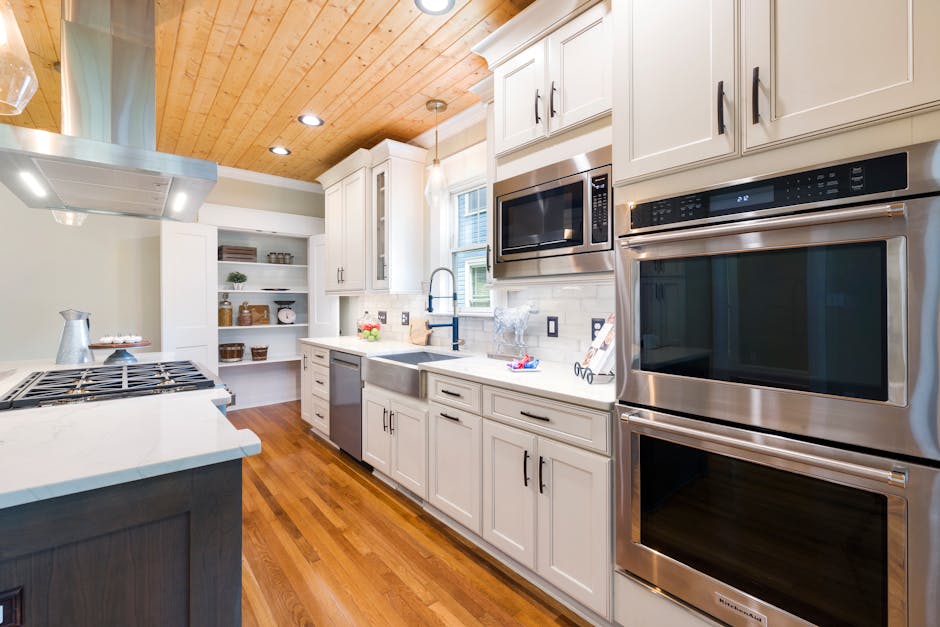
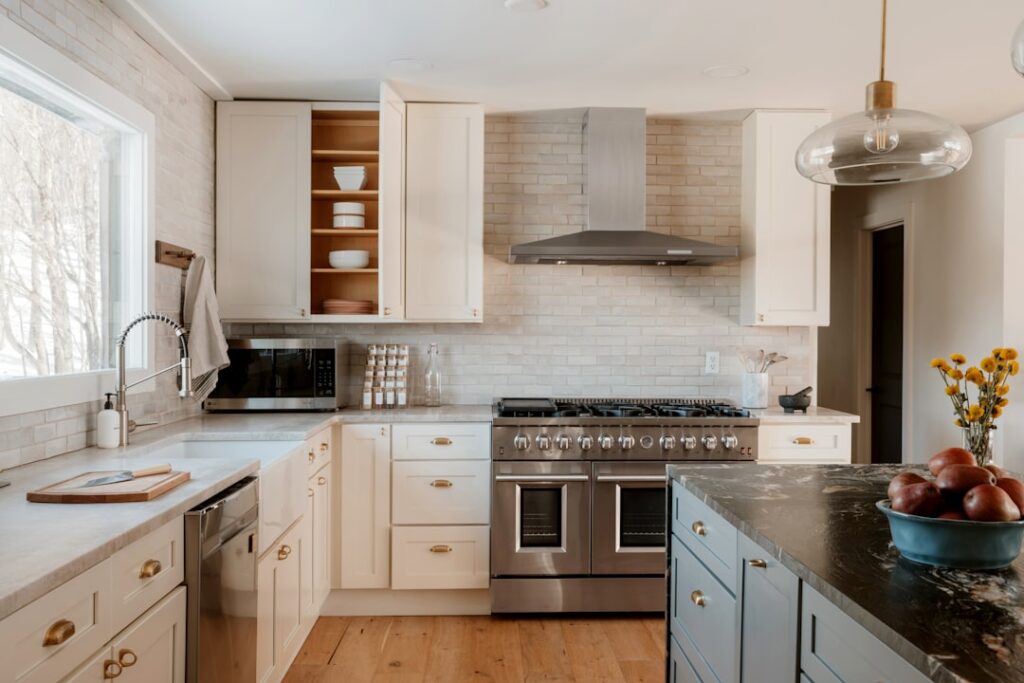
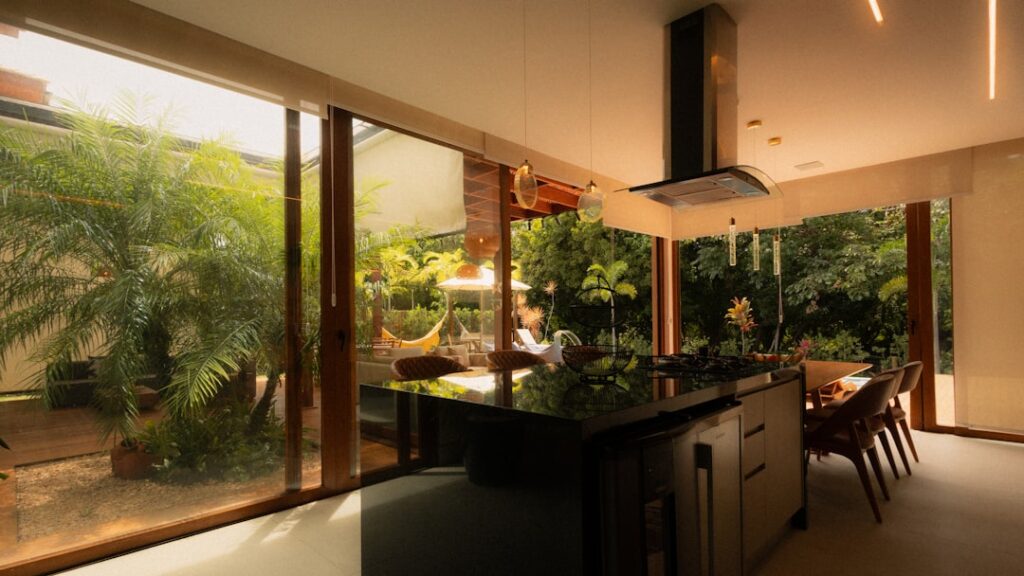
- Metallic or panel-ready appliances:Stainless steel reflects light, while panel-ready options blend into the cabinetry for a seamless, uncluttered look.
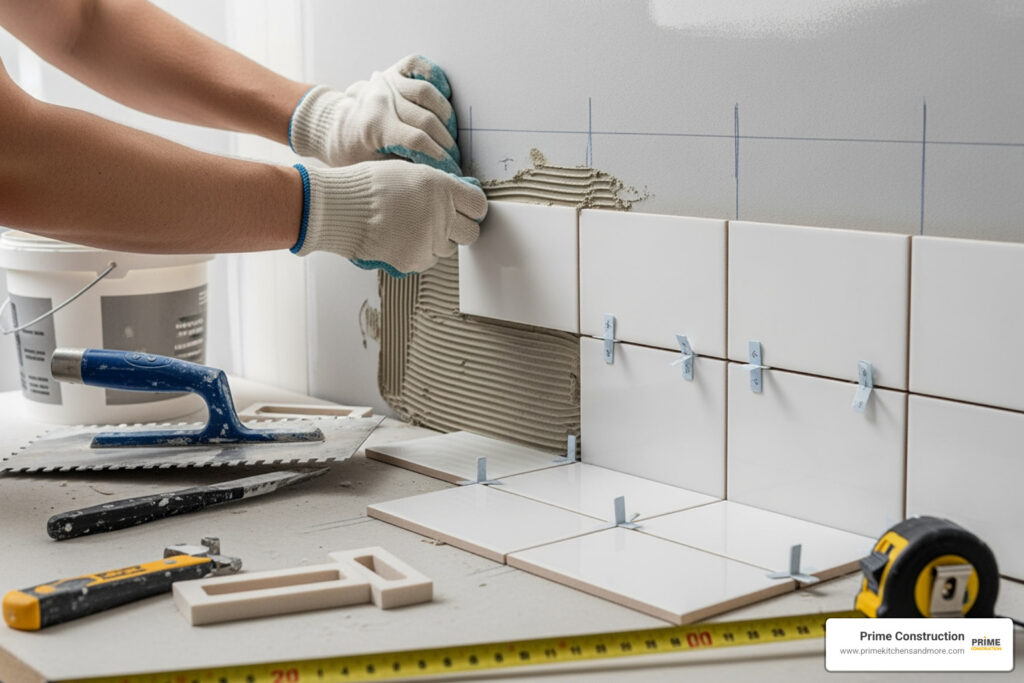
Choosing the right details matters, so take a look at our guide onchoosing the best backsplash tile for small kitchens.
Flooring Patterns to Alter Proportions
Believe it or not, the way you lay your floor can change the “shape” of your kitchen.
- Lengthwise planks:If you have a narrow galley, running the flooring planks parallel to the counters will elongate the room.
- Widthwise planks:If the kitchen feels too much like a “hallway,” running planks across the width can help “push” the walls out visually.
- Seamless transitions:Using the same flooring in the kitchen as in the adjoining dining or living area creates a continuous visual plane, making the kitchen feel like an extension of a larger space rather than a tiny box.
Compact Appliances and Flexible Furniture
In the past, having a small kitchen meant you had to settle for “apartment-sized” appliances that didn’t work very well. Not anymore! Today’s compact appliances are high-performance and sleek.
We often recommend24-inch wide refrigerators(instead of the standard 36-inch) and18-inch dishwashers. These “slimline” models can save you over a foot of cabinet space—which is enough for a whole extra set of drawers. Vertical stacking is another win; a microwave-convection combo oven can replace two separate appliances. Discover more aboutbest small kitchen design layoutstrategies for appliance placement.
Islands vs. Peninsulas in Tight Spaces
Should you have an island in a small kitchen? It depends. A permanent island can often become a “bottleneck” in a tight space.
Instead, consider these flexible alternatives:
- Rolling carts or “Floating” islands:These provide prep space when you need it but can be wheeled into a corner or another room when you’re entertaining.
- Peninsulas:These are attached to a wall or cabinet run. They provide the “island feel” and extra seating (breakfast bar) without disrupting the traffic flow as much as a freestanding island.
- Dining tables:In a U-shaped kitchen, a narrow table can double as a prep island and a place to eat.
If you are looking for the right pieces to fit your new layout, you canshop kitchen furnitureto find slim-profile stools and carts.
Multi-functional Elements for Studio Living
For those living in open-plan spaces or studios in downtown Orlando, the “Hidden Kitchen” is a rising trend. Using sliding pocket doors, you can literally “close” the kitchen when you’re done cooking, turning the room back into a clean living area.
Appliance garagesare another favorite of ours. These are small cabinets with “garage-style” doors that hide your toaster, blender, and coffee maker, keeping your counters completely clear. This minimalist approach is a staple ofcountry small kitchen ideaswhere charm meets high-function.
Frequently Asked Questions about Small Kitchen Layouts
What is the minimum clearance for a galley kitchen aisle?
The absolute minimum is36 inches, but for a comfortable experience where you can actually open the oven and still have someone walk behind you, we recommend42 to 48 inches. This follows NKBA standards and ensures that traffic flow isn’t completely halted every time someone reaches for a snack.
Can I fit an island in a kitchen under 100 square feet?
Usually, a permanent island is too tight for a 10×10 space. However, aslim console table(12-15 inches deep) or arolling butcher block cartworks beautifully. As long as you maintain that 36-inch clearance around all sides, a flexible island can be a lifesaver.
How do I avoid common layout mistakes during a remodel?
The biggest mistake is ignoring “pinch points”—places where a refrigerator door and a dishwasher door hit each other if opened at the same time. Another is poor lighting; a small kitchen with one dim overhead light will always feel cramped. Finally, don’t sacrifice “landing space” (counter space) next to your stove and sink just to fit a slightly larger fridge.
Conclusion
Mastering thesmall kitchen layout ideasthat work for your home doesn’t have to be a headache. It’s all about prioritizing movement, maximizing vertical space, and using light to your advantage.
AtPrime Kitchens And More LLC, we have spent over 15 years helping homeowners across Orlando, Winter Park, and Windermere turn “impossible” small kitchens into the hearts of their homes. We believe that a kitchen shouldn’t just look good in a photo—it should work perfectly for the person cooking in it every single day.
Ready to stop fighting your kitchen and start loving it?Start your small square kitchen remodel todayand let us help you design a space that feels as big as your culinary ambitions.