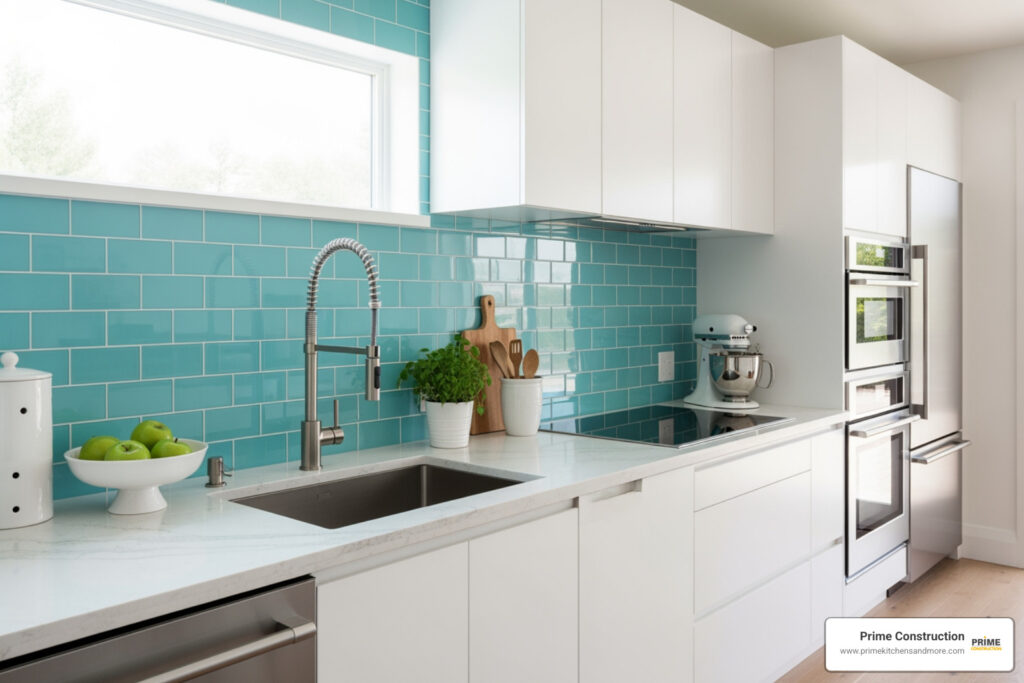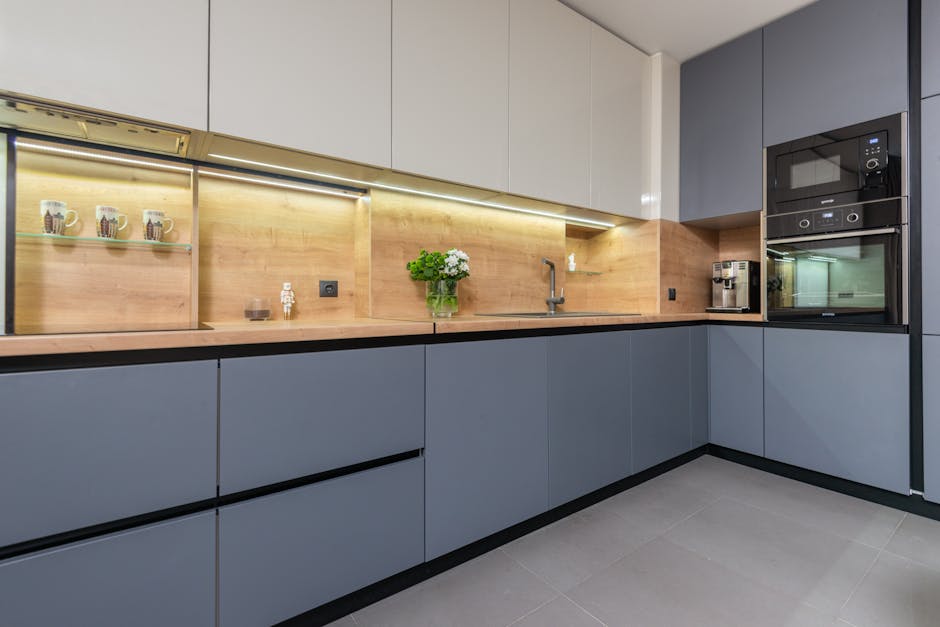

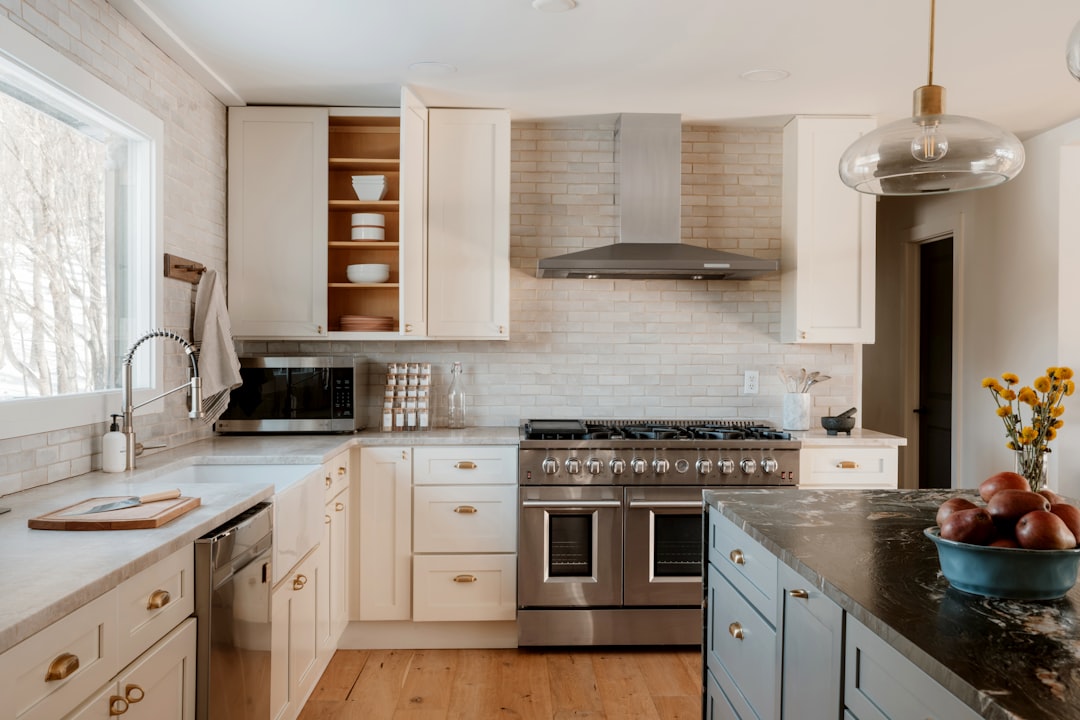
Why Kitchen Layout Ideas Are the Foundation of Your Perfect Remodel
Kitchen layout ideasare critical because your floor plan affects everything from how efficiently you cook to how comfortably your family gathers. The wrong layout can turn meal prep into a frustrating obstacle course, while the right one makes your kitchen the heart of your home.
Most Popular Kitchen Layout Types:
- One-Wall Kitchen– All appliances and cabinets on a single wall (ideal for studios and small spaces)
- Galley Kitchen– Two parallel walls with a walkway between (maximizes efficiency for single cooks)
- L-Shaped Kitchen– Countertops on two perpendicular walls (prevents traffic through work zones)
- U-Shaped Kitchen– Three walls of cabinets and appliances (great for storage and multiple cooks)
- Island-Centered Kitchen– Features a working island with storage and seating (adds prep space and social areas)
- Peninsula Kitchen– Connected island that extends from existing cabinets (works when a full island won’t fit)
Your kitchen layout isn’t just about where your stove goes. It determines how many people can cook together, where guests naturally gather, and whether you’ll love or hate preparing meals. As one designer noted, kitchens have evolved “from a single-person meal preparation space to a multi-purpose, multiple-cook room,” which means the traditional work triangle concept has shifted to accommodatemultiple functional zones.
Whether you’re working with a compact 10×10 space or designing an expansive chef’s kitchen, understanding your options helps you make smart decisions. The research shows that homeowners today want kitchens that feel “grounded, tactile, and thoughtfully custom to everyday life” – not just trendy spaces that look good in photos but don’t work for real cooking.
This guide walks through 75 practical layout ideas organized by home style and size. You’ll see how different configurations handle traffic flow, maximize storage, and create comfortable spaces for both cooking and entertaining. We’ll cover everything from tiny apartment galleys to luxury kitchens with double islands.

Basickitchen layout ideasterms:
The 6 Fundamental Kitchen Layout Types
When we talk aboutkitchen layout ideas, we’re primarily referring to six core configurations that form the backbone of almost every kitchen design. Each has its own strengths and weaknesses, making them suitable for different spaces and lifestyles. Understanding these basic types is the first step in planning your dream kitchen.

From our research, we know that these layouts significantly impact how you work and entertain. They dictate traffic flow, appliance placement, and overall efficiency. For a deeper dive into these core designs, check out this guide toTop 6 Kitchen Layouts.
One-Wall and Galley Configurations
These layouts are champions of efficiency, especially in tighter spaces.
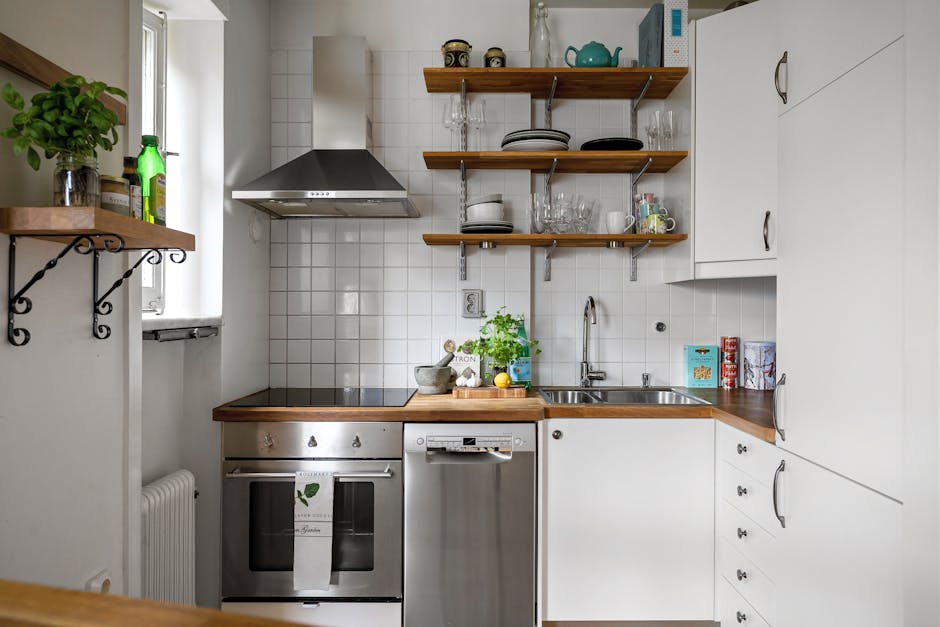
- One-Wall Kitchen:Originally known as the “Pullman kitchen,” this layout is the ultimate space saver. All cabinets and appliances are fixed on a single wall. It’s often found in studio or loft spaces, like those we see in downtown Orlando apartments, where maximizing every square inch is crucial. While it’s one of the least effective working layouts in a larger space due to increased steps, in a compact area, it’s highly functional. Modern designs sometimes add a floating island, changing it into a sort of galley style.
- Pros:Excellent for small spaces, cost-effective (less plumbing/electrical work), open feel.
- Cons:Limited counter space, can feel cramped if not designed carefully, less efficient work triangle without an island.
- Galley Kitchen:This efficient, “lean” layout is ideal for smaller spaces and one-cook kitchens. Characterized by two walls opposite each other (or two parallel countertops with a walkway in between), galley kitchens make the best use of every square inch. They’re inspired by compact boat and train kitchens – think maximum functionality in a minimal footprint. Galley kitchens are fantastic for maximizing storage and prep areas without needing corner cabinets.
- Pros:Highly efficient workflow (everything is within reach), maximizes storage and counter space for its size, cost-effective.
- Cons:Can feel narrow or claustrophobic, limited social interaction, potential traffic bottlenecks if not wide enough.
L-Shaped and U-Shaped Designs
These configurations offer more counter space and flexibility, making them popular choices for many homes in Orange County, FL.
- L-Shaped Kitchen:This layout solves the problem of maximizing corner space by placing countertops on two adjoining, perpendicular walls. It’s a smart design for small and medium-sized kitchens. The “legs” of the L can be as long as you want, and a key benefit is that it funnels traffic away from the work area, offering a more private cooking and cleaning space. It’s versatile and can be improved with an island for more work surface or social interaction.
- Pros:Excellent for corner spaces, keeps traffic out of the primary work zone, allows for an open feel to adjacent rooms, flexible for adding an island.
- Cons:Can lead to inefficient workflow if the “L” is too long, corner storage can be challenging without proper solutions.
- U-Shaped (Horseshoe) Kitchen:The horseshoe, or U-shape, kitchen layout features three walls of cabinets and/or appliances. This design excels at maximizing storage and counter space, making it a favorite for larger homes and those with greater storage needs. Today, many U-shaped kitchens evolve into an L-shaped kitchen with an island forming the third “wall,” which works well for traffic flow and workflow around the island, accommodating more cooks.
- Pros:Abundant counter and storage space, highly efficient work triangle, great for multiple cooks, can easily integrate an island.
- Cons:Can feel enclosed if not designed with an open concept in mind, corners can be hard to access, may require more floor space.
Island and Peninsula Additions
Often the star of the show, islands and peninsulas transform the functionality and social dynamics of a kitchen.
- Island-Centered Kitchen:A workingkitchen islandcan include appliances and cabinetry for storage, and it always adds additional work surface. It can provide a place to eat (with stools), prepare food (with a sink), or store beverages (with a wine cooler). An island can turn a one-wall kitchen into a galley style or improve an L-shaped or U-shaped layout. However, it’s crucial to remember that “the No. 1 misperception about islands is that everyone ought to have one.” Adequate clearance is key; we typically recommend at least 36-42 inches between countertop surfaces, or up to 48 inches if there’s an appliance.
- Pros:Adds significant counter space, extra storage, a natural gathering spot, can house additional appliances.
- Cons:Requires ample floor space, can impede traffic flow if too large or poorly placed, not suitable for very small kitchens.
- Peninsula Kitchen:Apeninsula kitchenis essentially a connected island, converting an L-shaped layout into a horseshoe, or turning a horseshoe kitchen into a G-shaped design. Peninsulas function much like islands but offer more clearance in kitchens that do not allow appropriate square footage for a true island. As one expert noted, “A peninsula opens the space, while keeping rooms their own,” acting as an island with storage and seating. This is a fantastic option for homes in Winter Park and Dr. Phillips where space might be a premium but an open feel is desired.
- Pros:Provides extra counter space and seating without needing as much floor space as a full island, can define kitchen boundaries in an open concept, offers additional storage.
- Cons:Can limit traffic flow more than an island, less flexible in placement, can feel less grand than a freestanding island.
75 Kitchen Layout Ideas for Every Home Style
Now that we’ve covered the basics, let’s explore how these fundamental layouts translate into diverse and inspiringkitchen layout ideasfor various home styles and needs. From compact urban lofts to sprawling family homes in Windermere, there’s a perfect layout waiting to be finded.
Our goal is to help you configure your kitchen in the most stylish and efficient way possible. For more inspiration, check out9 TYPES OF KITCHEN LAYOUTS TO INSPIRE YOUR SPACE.
Small Kitchen Layout Ideas for Tight Spaces
Designing for a small kitchen means being clever and maximizing every inch. As we often tell our clients in Lake Buena Vista and Baldwin Park, “When you’re designing a small kitchen, the layout is crucial since space is limited.”
- Vertical Storage Powerhouse:In a small kitchen, go vertical! Floor-to-ceiling cabinets, open shelving, and wall-mounted pot racks can dramatically increase storage without consuming precious floor space. We’ve seen incredible changes using pull-out pantry shelving and spice racks on the inside of cabinet doors.
- Compact Appliance Integration:Prioritize essential, compact appliances. Smaller refrigerators, 24-inch dishwashers, and combination microwave-convection ovens save valuable counter space. Consider an induction cooktop for its sleek, space-saving design.
- Floating Islands on Casters:For minimal floor space, a floating island on casters offers flexible prep space that can be moved or tucked away when not in use. It’s a rule-breaking yet practical solution.
- Light Palettes & Mirrors:An all-white palette, perhaps with pops of color, can make a small kitchen feel airy and larger. Using a mirrored backsplash can also create the illusion of more space and bounce natural light around.
- U-Shaped Efficiency with a Peninsula:A U-shaped layout can actually be very efficient in a small kitchen, especially when one “leg” is a peninsula that doubles as prep space and seating. This maximizes storage and functionality.
- Built-in Banquettes:Integrate a built-in banquette within a storage wall in a U-shaped kitchen to create a cozy, space-saving dining nook.
- One-Wall with a Round Table:In a compact apartment, ditch the bulky island for a round floating table and chairs in front of a one-wall kitchen.
- Open Shelving for Airiness:Instead of solid upper cabinets, open shelving can make a small kitchen feel less enclosed while providing storage for frequently used items. Just remember to keep them tidy!
- Hidden Bonus Storage:Consider pull-out cutting boards, hidden trash and recycling bins in lower cabinets, and custom drawer inserts to declutter and streamline your space.
- Corner Sink Optimization:In L-shaped or U-shaped small kitchens, an angled corner sink can make better use of awkward corner space.
Modern Kitchen Layout Ideas for Open Concepts
Orlando homeowners often desire open-concept living, and thesekitchen layout ideasblend seamlessly with living and dining areas. The key is defining zones without creating visual barriers.
- Zone Design Philosophy:Instead of a single work triangle, modern open-concept kitchens often employ a “zone” layout. This designates different areas for specific activities: cooking, prep, and cleanup. We might incorporate multiple sinks for simultaneous use, for example, a prep sink in the island and a main sink for cleanup.
- Seamless Transitions:Use consistent flooring throughout the open space to create a seamless visual flow. Slight changes in design style or complementary lighting can define distinct areas without walls.
- Hidden Storage & Appliances:Paneled appliances and integrated storage help maintain a clean, uncluttered look. A “back kitchen” or hidden pantry can conceal prep work and less attractive appliances, allowing the main kitchen to remain a polished entertaining space.
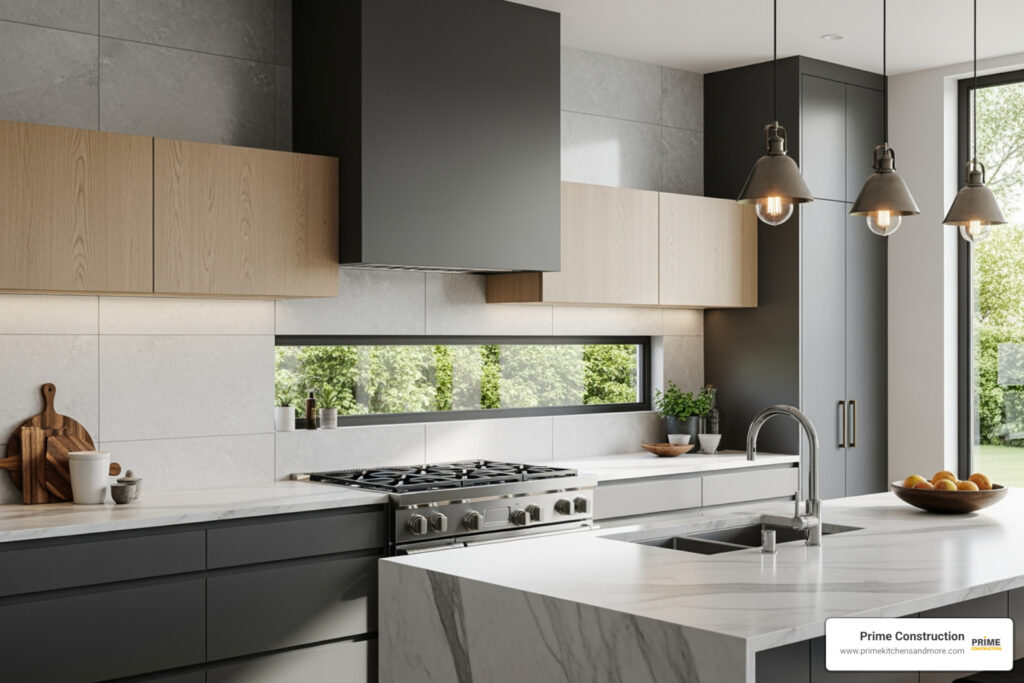
- Minimalist Hardware & Sleek Finishes:Flat-panel cabinets, matte finishes, and minimalist hardware contribute to a contemporary aesthetic that doesn’t overpower the open space.
- Integrated Dining & Entertainment:Large islands with ample seating are central to modern open concepts, acting as both prep areas and social hubs. Consider a long island that creates functional seating, perhaps with a velvet-patterned bench.
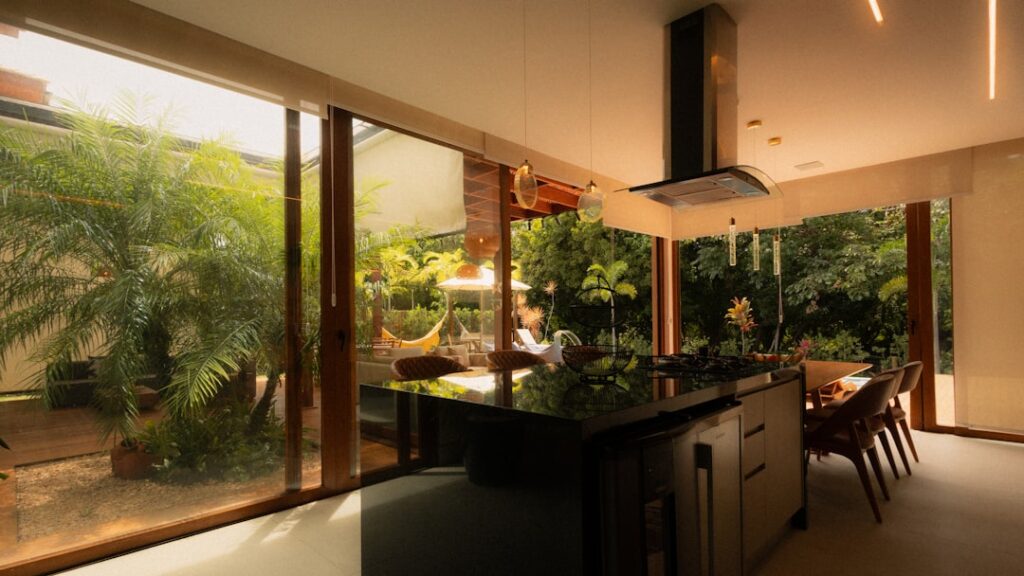
- Indoor-Outdoor Flow:Design with large windows or French doors that connect the kitchen to an outdoor patio or dining area, enhancing the sense of spaciousness and bringing natural light indoors.
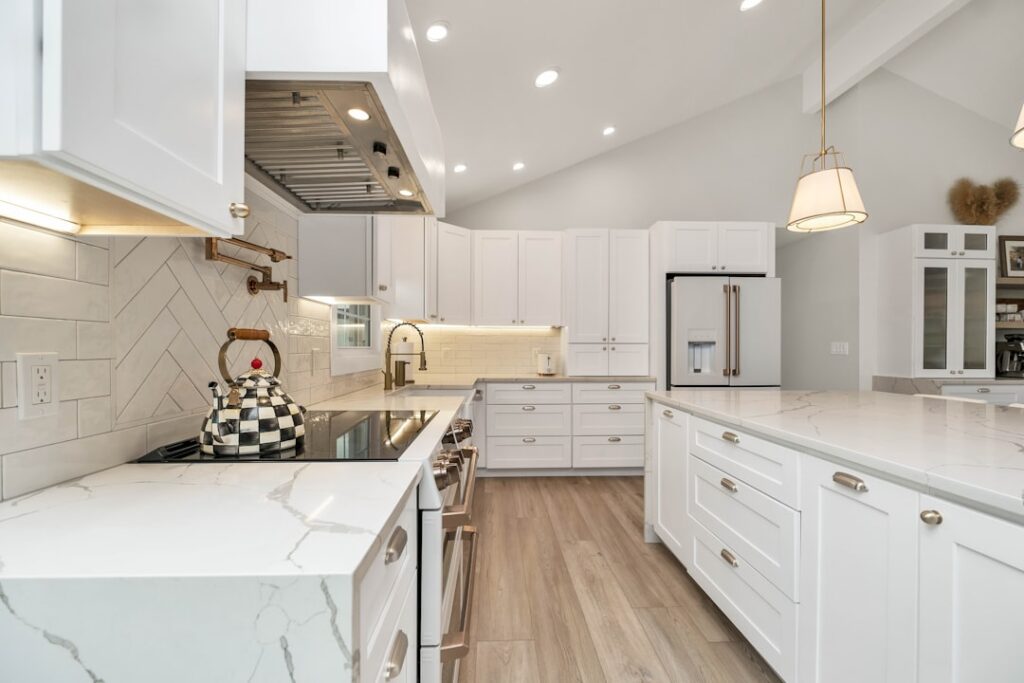
- Waterfall Edge Islands:A waterfall edge island provides a sleek, contemporary look and can anchor an L-shaped kitchen open to the main living space.
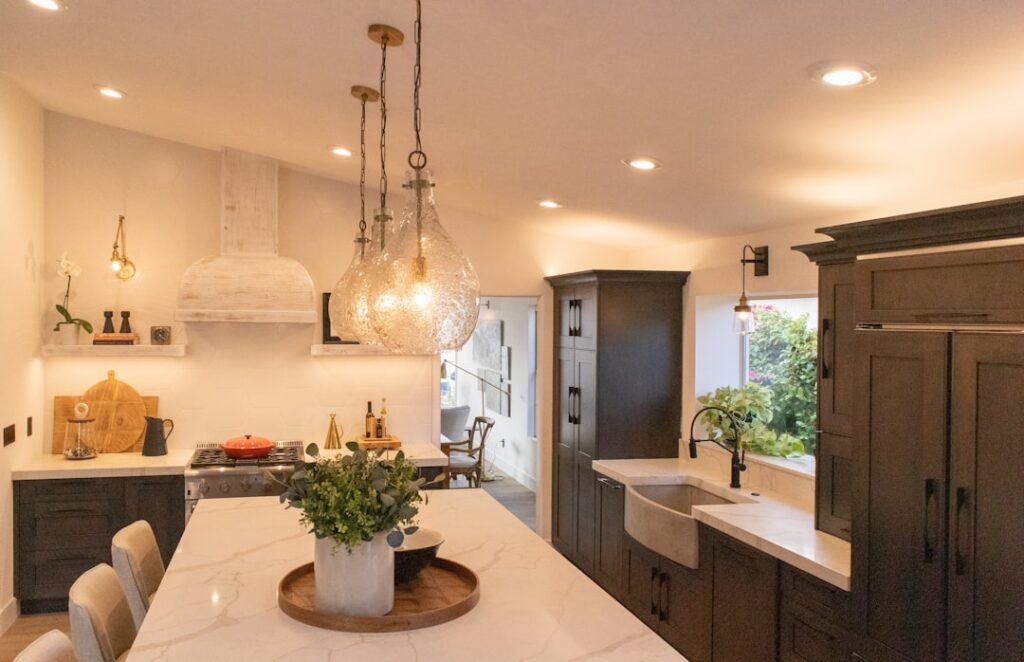
- Double Islands:For grand, expansive kitchens, especially those in larger homes in Windermere or Doctor Phillips, double islands can create a galley-like effect, offering ample workspace and distinct zones for cooking and entertaining.
- Chef-Oriented Layout:Design the layout with the chef’s order of operations in mind: fridge to sink to prep to stove, minimizing steps and maximizing efficiency.
- Focal Point Range:Center the kitchen design around the range as a focal point, with the island parallel and looking out to the rest of the space.
Traditional and Rustic Inspirations
For those who appreciate timeless charm and warmth, traditional and rustickitchen layout ideasoffer a comforting aesthetic.
- Butcher-Block Countertops:These add a natural, warm element that’s budget-friendly and perfect for a rustic or farmhouse kitchen.
- Natural Wood Cabinetry:Real wood cabinetry with visible grain, paired with natural stone countertops, creates a grounded and authentic feel. Finishes that show subtle movement and variation are highly sought after.
- Vaulted Ceilings:A vaulted kitchen ceiling can add rustic charm and a sense of grandeur, especially when paired with exposed beams.
- Hearth-Style Ranges:Incorporate a custom range hood, perhaps clad in reclaimed wood or stone, to create a focal point reminiscent of an old-world hearth.
- Walk-in Pantries:A dedicated walk-in pantry provides extensive storage, keeping the main kitchen clutter-free and contributing to a traditional feel.
- Antique Accents & Furniture-Style Cabinetry:Incorporate antique-inspired hardware, decorative corbels, and furniture-like details in your cabinetry for a classic look.
- Farmhouse Sinks:An apron-front farmhouse sink is a quintessential element of rustic and traditional kitchens, blending functionality with nostalgic charm.
- Brick Flooring:For a truly unique and rustic touch, consider brick flooring, which offers a surprising contrast to classic and modern elements.
- Chalkboard Walls:A chalkboard wall can add a playful, practical element, perfect for family notes or grocery lists in a traditional country kitchen.
- Closed Kitchen Floor Plans:For a truly traditional approach, a closed kitchen floor plan contains the kitchen in a single room, separated from other rooms. This is well-suited for galley, L-shaped, and U-shaped kitchens, offering privacy during meal prep and containing cooking noise and odors. It’s a great option for those who prefer a compartmentalized living space.
Optimizing Efficiency: The Work Triangle and Zones
The concept of the kitchen work triangle has been a cornerstone of efficient kitchen design for decades, connecting the sink, stove, and refrigerator. However, as kitchens evolve into multi-purpose, multi-cook spaces, the idea of “work zones” has gained prominence.
| Feature | Work Triangle | Work Zones |
|---|---|---|
| Concept | Connects sink, stove, refrigerator in a triangle | Designates areas for specific activities (prep, cook, clean, store) |
| Ideal for | Single cook, smaller kitchens | Multiple cooks, larger kitchens, open concepts |
| Goal | Minimize steps between primary appliances | Optimize workflow for different tasks, reduce bottlenecks |
| Key Elements | Sink, Stove, Refrigerator | Prep zone, Cooking zone, Cleanup zone, Pantry zone, Beverage station |
| Dimensions | Sides 4-9 ft, total 13-26 ft | Clearances for multiple users, ample landing areas, dedicated pathways |
Standard Dimensions and Clearances
Adhering to standard dimensions and clearances is crucial for a functional and safe kitchen, especially in our remodeling projects across Orlando, Apopka, and Maitland.
- Walkways:Ample walkways are essential to prevent congestion. We recommend at least48 inches widefor main thoroughfares. If you anticipate multiple cooks or high traffic, or require wheelchair or mobility aid accessibility, a60-inch wide clearanceis ideal.
- Countertop Height:Standard countertop height is around36 inches (91 cm)above a finished floor. This provides an ergonomic surface for most users.
- Upper Cabinet Gap:Upper cabinets are typically positioned15-18 inches (38-46 cm)above countertops, ensuring comfortable access and sufficient workspace below.
- Landing Zones:For safety and convenience, we recommend at least18 inches of countertop space on either side of the stoveas a “landing zone” for hot pots and pans. Similarly, adequate landing space next to the refrigerator and sink is vital.
- Appliance Clearance:Ensure there’s at least36 inches between countertop surfaces, or up to42 inches if there’s an appliancethat opens into the walkway, to allow for comfortable passage.
Storage and Lighting Solutions
Effective storage and thoughtful lighting are the unsung heroes of any great kitchen layout.
- Floor-to-Ceiling Cabinets:Maximizing vertical space with tall cabinets offers immense storage capacity, especially beneficial in small kitchens where every inch counts.
- Deep Drawers:Opt for deep drawers instead of lower cabinets for pots, pans, and small appliances. They offer better organization and easier access. Built-in dividers for utensils and pull-out shelves for pantry items are game-changers for decluttering.
- Corner Solutions:Don’t let corners be dead space! Solutions like Lazy Susans, blind corner pull-outs, or diagonal corner cabinets make these areas highly functional.
- Task Lighting:This is focused illumination directly over work areas like countertops, sinks, and stove. Under-cabinet lighting is a prime example, crucial for visibility and safety during prep and cooking.
- Ambient Glow:This provides overall illumination for the room. Recessed lighting, decorative pendant lights, or a central ceiling fixture create a comfortable and inviting atmosphere.
- Natural Light Maximization:Strategically designing the space around windows and incorporating reflective surfaces (like light-colored backsplashes or glass-front cabinets) can maximize natural light, making the kitchen feel larger and more welcoming. One designer even placed the sink directly under a window for a “timeless kitchen layout choice.” For homes in Kissimmee or Hunters Creek, using that beautiful Florida sunshine is always a priority!
Frequently Asked Questions about Kitchen Layout Ideas
We often get questions from homeowners in Orlando and surrounding areas about the bestkitchen layout ideasfor their specific needs. Here are some of the most common ones we address:
What is the most efficient kitchen layout?
The “most efficient” layout isn’t one-size-fits-all; it depends on your space and how you use your kitchen. However, thegalley kitchenis often cited for its efficiency, especially for a single cook, because everything is typically within arm’s reach along two parallel walls. For larger spaces or multiple cooks, a well-designedU-shaped kitchen with an islandor anL-shaped kitchen with an islandcan be highly efficient by creating distinct work zones and ample prep areas, while still allowing for good traffic flow. The key is to ensure the work triangle (or zones) is optimized, with key appliances and prep areas easily accessible.
How do I plan a kitchen layout for a small space?
Planning a small kitchen layout requires creativity and ruthless prioritization. Here’s our advice:
- Prioritize Appliances:Decide which appliances are absolutely essential and research compact models.
- Go Vertical:Use floor-to-ceiling cabinetry, open shelving, and wall-mounted storage to maximize vertical space.
- Think Multifunctional:Consider a peninsula for extra counter space and seating, or a floating island on casters that can be moved.
- Light & Bright:Use light color palettes, reflective surfaces, and maximize natural light to make the space feel larger and airier.
- Smart Storage:Integrate pull-out pantries, deep drawers, and hidden bins to keep clutter off your limited counter space.
- Optimize Flow:Ensure there’s adequate walkway space (at least 36-42 inches) and that appliance doors won’t obstruct movement.
Can I add an island to a galley kitchen?
Yes, it’s possible, but it depends on the width of your galley kitchen. A traditional galley kitchen is characterized by two parallel walls or countertops with a walkway in between. If your galley is wide enough, you can add a narrow, slim-profile island or even a dining table in the center to create a gathering space. However, it’s crucial to maintain adequate clearance on both sides of the island – ideally at least 36-42 inches – to ensure comfortable movement and prevent bottlenecks. If the space is too narrow for a full island, a peninsula might be a more suitable option, providing similar benefits without sacrificing essential walkway space.
Conclusion
Choosing the rightkitchen layout ideasis the cornerstone of a successful home remodel. It’s about blending functionality with your personal style to create a space that truly works for your family, whether you’re in a cozy Bithlo home or an expansive estate in Doctor Phillips. From the efficiency of a galley kitchen to the social hub of an island-centered design, every layout offers unique advantages.
At Prime Kitchens And More LLC, based right here in Orlando, FL, we understand that your kitchen is the heart of your home. With 15 years of experience, we specialize in full house remodeling, focusing on kitchen and bathroom design that marries premium materials with personalized service. We’ve helped countless homeowners across Orange County, Seminole County, Winter Park, and beyond, transform their visions into reality.
We believe that thoughtful design, combined with expert craftsmanship, results in high-quality spaces and customer satisfaction. Whether you’re considering a complete overhaul or subtle improvements, our team is ready to guide you through every step, ensuring your new kitchen layout is not just beautiful, but perfectly custom to your lifestyle.
Ready to explore the possibilities for your home? Contact us today for a free project consultation and get an instant kitchen project estimate. Let’s create a kitchen you’ll love for years to come.