
Why Your Kitchen Remodel Deserves Careful Planning
Learninghow to remodel kitchenspaces successfully starts with a solid plan. A kitchen remodel is one of the most popular home improvement projects, but costs can range from under $10,000 to over $100,000. Without proper planning, it’s easy to go over budget or make costly mistakes. The average project costs about $27,000 and takes a minimum of three months to reach basic functionality.
This guide provides a roadmap to help you create a beautiful, functional kitchen that fits your budget and lifestyle. Understanding the process before you start will save you time, money, and stress, whether you’re planning a simple refresh or a complete gut renovation. The essential steps include:
- Planning & Budgeting:Define goals, set a budget (5-15% of home value), and hire your team.
- Design:Choose a layout, select materials, and finalize plans.
- Demolition & Construction:Remove old materials and complete rough-ins for plumbing and electrical.
- Installation & Finishing:Install flooring, cabinets, countertops, and apply finishing touches.

Phase 1: Planning, Budgeting, and Finding Help
This first phase is all about setting a clear direction before you begin. A solid plan is the foundation for a successful kitchen remodel.
Define Your “Why” and Gather Inspiration
First, ask yourself:Why do you want to remodel your kitchen?Your answer will guide every decision. Are you seeking more storage, better workflow for cooking, or an open layout for entertaining? Write down your primary motivation.
Next, separate your wishes into two columns:must-haves and nice-to-haves. A functional work triangle might be a must-have, while a wine fridge could be a nice-to-have. This exercise helps prioritize spending.
Now, gather inspiration. UsePinterestto save images, browse home improvement magazines, and visit showrooms. Create a mood board that captures the look and feel you want. Focus on styles you genuinely love, not just current trends, as you’ll be living with this kitchen for years.
How to Set a Realistic Kitchen Remodel Budget
Having a realistic budget is essential. According toForbes data on kitchen remodel costs, the average project is about $27,000, with most falling between $15,000 and $41,000. A helpful guideline is tobudget 5% to 15% of your home’s total value.
Typical cost breakdown:
- Cabinetry & Storage:25-40%
- Labor:20-35%
- Appliances:10-20%
- Flooring & Countertops:10-15%
- Lighting & Plumbing:5-10%
The golden rule:Add a contingency fund of 10% to 20%for unexpected issues like old plumbing or outdated electrical work that are finded after demolition.
To save money:
- Refinish or reface existing cabinetsinstead of replacing them.
- Keep your current layoutto avoid the high cost of moving plumbing and electrical lines.
- Choose stock cabinetsover custom and consider laminate or butcher block countertops.
- Shop for appliances during holiday salesand choose white finishes, which are often cheaper.
- Tackle simple tasks yourself, like painting or installing cabinet hardware.
Deciding How to Approach Your Kitchen Remodel
Next, decide if you’ll DIY, hire professionals, or use a combination. A DIY remodel can save money but requires significant time, skill, and risk. Some tasks are DIY-friendly, like painting, installing hardware, or careful demolition.
However,electrical work, plumbing, and structural changes should always be handled by licensed professionals.This is a matter of safety, code compliance, and preventing costly damage. In Orange County, permits are required for this type of work, and inspections ensure it’s done correctly.Licensed electriciansand plumbers have the expertise to do the job safely and efficiently.
Working with a full-service remodeling companyoffers a coordinated approach. A single team manages design, permits, construction, and finishing, providing a clear timeline and a warranty-backed result. At Prime Kitchens And More, we’ve helped Central Florida homeowners manage remodels for 15 years, handling permits and coordinating subcontractors so you can focus on the design choices.
Phase 2: Designing Your Dream Kitchen Layout & Style
With a vision and budget, it’s time to design a kitchen that is both beautiful and functional. This phase turns your ideas into a practical plan.

Planning Your Kitchen Layout
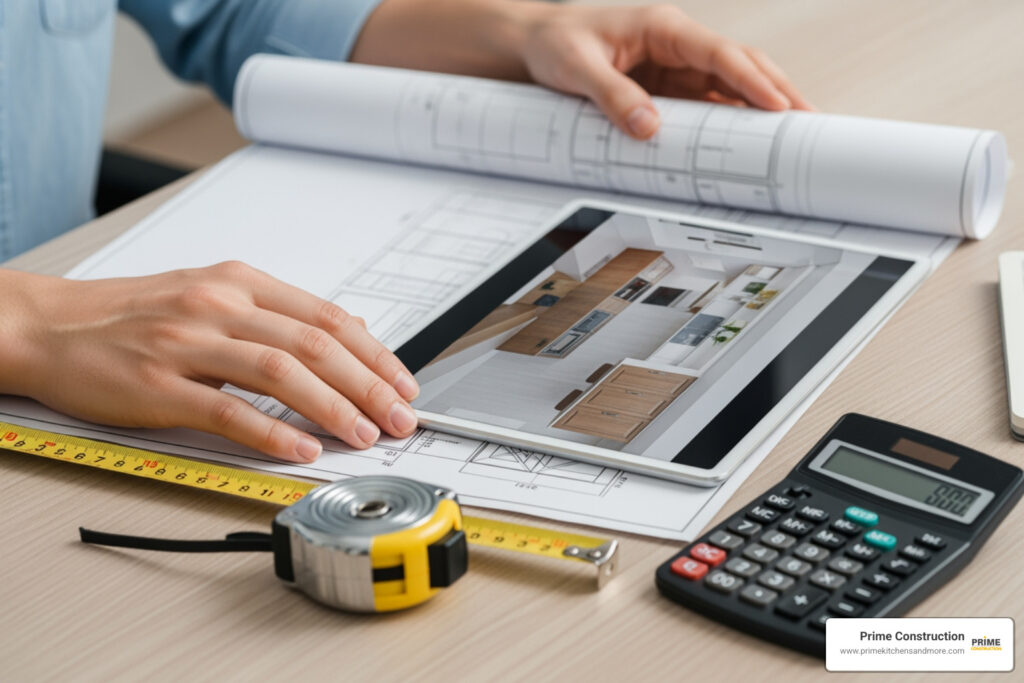
A great layout is the key to a functional kitchen. Start bymeasuring your space accurately, including walls, windows, and doorways. Double-check every measurement.
Thework triangle principleis a time-tested concept that connects your three main work zones: the refrigerator, sink, and stove. For efficient workflow, each leg of the triangle should be between 4 and 9 feet.
Common layouts include:
- Single-Wall:Ideal for smaller kitchens or open-concept spaces.
- Galley:Uses two parallel walls to create an efficient cooking corridor.
- L-Shape:Turns a corner and often works well with an island.
- U-Shape:Wraps around three walls, offering maximum counter and storage space.
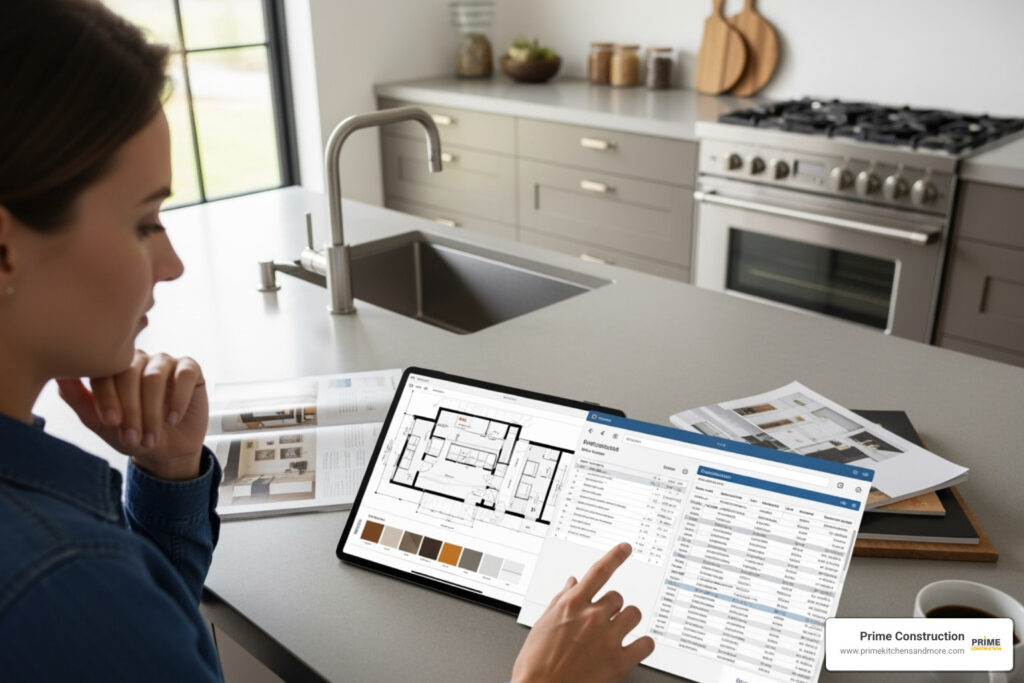
If adding an island, ensure at least 42 inches of clearance around it for comfortable movement. When placing appliances, think about your daily routine. The dishwasher should be next to the sink, and the refrigerator should be easily accessible. Digital tools likeKitchen Plannercan help you create 3D visualizations of your layout.
Choosing Timeless and Durable Materials
Smart material choices balance beauty, durability, and budget.
- Cabinets:As the most visible element, cabinets are a major investment.Stock cabinetsare the most affordable,semi-customoffer more flexibility, andcustom cabinetsare built to your exact specifications. For durability, look for solid wood or plywood construction over particleboard.
- Countertops:Quartzis extremely popular for its durability, non-porous surface, and endless styles.Graniteis a classic, durable natural stone that requires periodic sealing.Butcher blockadds warmth but needs regular oiling, whilelaminateis the most budget-friendly option.
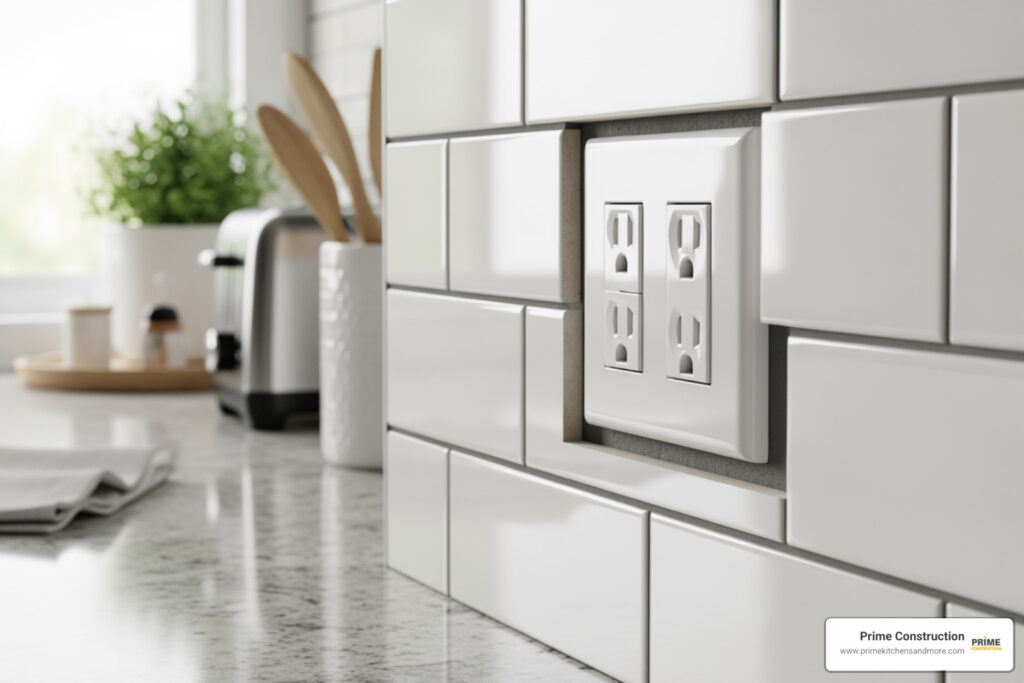
- Backsplashes:Classicsubway tileis timeless and versatile.Stone slab backsplashesoffer a seamless, luxury look. For budget-conscious projects,beadboardprovides charm, andglass tileadds a modern, light-reflecting touch.
- Flooring:Kitchen flooring must be durable and withstand traffic and spills.Ceramic or porcelain tileis extremely durable and water-resistant.Luxury vinyl plank (LVP)offers a waterproof, budget-friendly alternative that mimics the look of hardwood.
Be cautious with trendy but high-maintenance materials like natural marble, which stains and etches easily.
Current Kitchen Trends to Consider
While timeless design is key, a few current trends can add personality.
- Two-tone cabinets, with darker lower cabinets and lighter uppers, add visual interest.
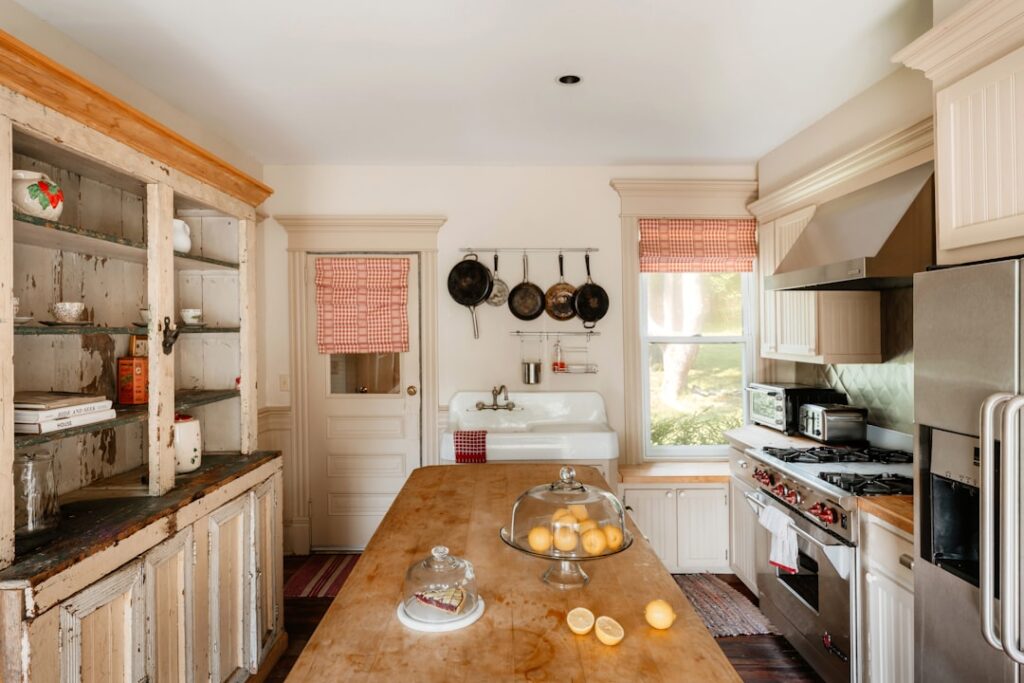
- Open shelvingcreates a light, casual look for displaying dishware.
- Smart appliancesthat can be controlled from your phone are becoming more common and convenient.
- Greenkitchen cabinetsin warm tones are a popular trend, bringing a natural element indoors.

Choose trends that fit your personal style and lifestyle, as a well-designed layout with quality materials will serve you for decades.
Your Step-by-Step Guide on How to Remodel a Kitchen
With the plan and design complete, the construction phase begins. Understanding the proper sequence is crucial for a smooth project that avoids costly backtracking. Most kitchen remodels take2 to 6 months, depending on the scope. A minor refresh might take 4-8 weeks, while a full gut renovation could extend to 6 months or more.
Step 1: Preparation and Demolition
Before demolition, prepare the area to minimize disruption.
- Set up a temporary kitchen:Designate a space with a microwave, mini-fridge, and a cooktop to maintain some normalcy.
- Pack up everything:Empty all cabinets and drawers. Consider a portable storage container for appliances and materials.
- Prioritize safety:Turn off all utilities (electricity, gas, water) to the kitchen. Use safety glasses, gloves, a dust mask, and sturdy boots.
- Demolition:Rent a dumpster for debris. A professional demo costs around $800, while DIY requires 1-3 days and equipment rental.
- Assess the subfloor:After gutting the space, check the subfloor for water damage, mold, or soft spots and address any issues.
Step 2: Rough-Ins and Infrastructure
This phase involves installing the hidden systems that make a kitchen function. This work is critical and often requires licensed professionals.
- Framing:If your design includes moving or adding walls, this happens first.
- Electrical Work:A licensed electrician will run new wiring for outlets, lighting, and appliances to meet current codes. Modern kitchens often require more power, so a panel upgrade may be necessary. Always hire a professional for this work to avoid safety hazards.Professional electriciansare essential for safety and compliance.
- Plumbing Work:A licensed plumber will move water supply lines, drains, and gas lines. Finalize your layout before this step, as moving plumbing is expensive, especially on a concrete slab.
- HVAC Adjustments:Ductwork may need to be rerouted if walls are moved or ventilation needs change.
- Permits:Orange County requires permits for significant electrical, plumbing, or structural work. This ensures the remodel meets safety standards. Our team at Prime Kitchens And More handles all permitting and inspections.
Step 3: Walls, Flooring, and Cabinets
Your kitchen begins to take shape as visible surfaces are installed.
- Drywall and Paint:New drywall is installed, finished, and sanded smooth. It’s best to prime and paint the walls before installing cabinets and flooring. Use a durable, washable satin or semi-gloss finish.
- Flooring Installation:The timing depends on the material. Tile or hardwood is often installed before cabinets for a seamless look. Floating floors should be installed after cabinets to allow for expansion. Ensure the subfloor is clean, level, and dry before installation.
- Cabinet Installation:This is a transformative step. Cabinets must be perfectly level and plumb, using shims to adjust for uneven walls and floors. They are then securely fastened to wall studs. If using ready-to-assemble (RTA) cabinets, allow ample time for precise assembly.
Step 4: Countertops, Appliances, and Final Touches
The final phase brings all the elements together.
- Countertops:Order countertops only after cabinets are installed.A fabricator will create a precise template from your installed cabinets. Fabrication and installation typically take 2-3 weeks.
- Appliances:Coordinate delivery and professional hookup for gas ranges or built-in models. Protect new floors and cabinets during delivery.
- Sink and Faucet:The sink and faucet are installed and connected to the plumbing rough-ins.
- Backsplash:Tiling adds protection and style. Dry-fit tiles first to plan the layout, then use a leveling system for a professional finish. Grout and seal the tile to protect against stains.
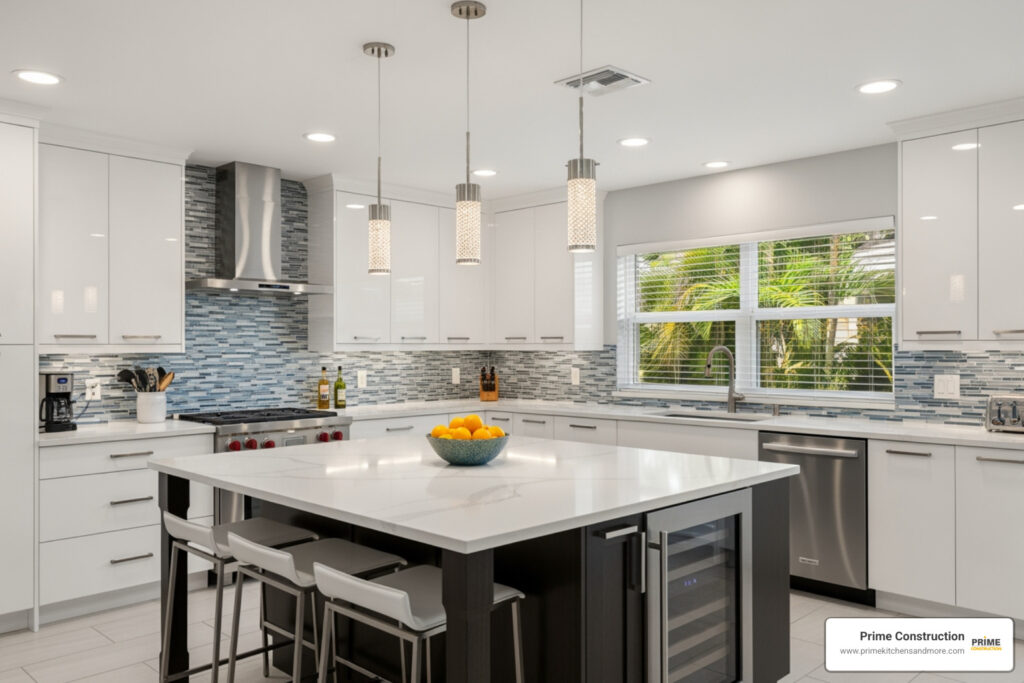
- Hardware and Lighting:Install cabinet pulls, knobs, and light fixtures. Layered lighting—including under-cabinet, pendant, and recessed lights—is key to a functional and inviting space.
- Final Punch List and Inspection:Walk through the kitchen to identify any final adjustments needed. If permits were required, a final inspection from the city or county officially completes the project.
Frequently Asked Questions about Kitchen Remodels
Over 15 years of remodeling kitchens in the Orlando area, we’ve found that homeowners often have the same key questions.
What is the biggest mistake to avoid in a kitchen remodel?
The biggest mistake is jumping in without a solid plan and realistic budget. Common pitfalls include:
- Forgetting a contingency fund:Always set aside 10-20% of your budget for unexpected issues like outdated wiring or hidden water damage.
- Changing your mind mid-project:Altering the design or materials after work has begun adds significant time and cost. Finalize all decisions before demolition.
- Prioritizing aesthetics over functionality:A beautiful kitchen that doesn’t have a good workflow will be frustrating to use. Don’t ignore the work triangle.
- Attempting critical tasks without expertise:DIY electrical or plumbing work is dangerous and can lead to costly repairs. Hire licensed professionals for these jobs.
What part of a kitchen remodel adds the most value?
Certain elements consistently deliver the biggest return on investment and enjoyment:
- Updated Cabinets:As the most visible feature, new or refaced cabinets make the biggest visual impact.
- Quality Countertops:Materials like quartz or granite signal quality and durability to potential buyers.
- Improved Layout:A functional layout with good workflow and smart storage is highly valuable.
- Modern, Efficient Appliances:Energy-efficient appliances in contemporary finishes are a major draw.
- Layered Lighting:A well-lit kitchen with a mix of ambient, task, and accent lighting feels more welcoming and functional.
- Timeless Design:Neutral color palettes and classic materials appeal to the widest range of people and won’t feel dated quickly.
How long does a typical kitchen remodel take?
The timeline depends heavily on the project’s scope. Here are some realistic estimates:
- Minor Refresh (painting, new backsplash, hardware):4 to 8 weeks.
- Mid-Range Remodel (new cabinets, countertops, appliances):2 to 4 months. This is the most common project type and requires coordinating multiple trades.
- Major Gut Remodel (moving walls, relocating plumbing/electrical):4 to 6 months or more, due to structural changes and extensive permitting.
Factors that can extend the timeline include the availability of custom materials, contractor schedules, mid-project scope changes, and the permit and inspection process. It’s wise to plan for a minimum of three months to reach basic functionality, with another month for final touches.
Finish Your Dream Kitchen with Confidence
You’ve steerd the planning, demolition, and installation. Now it’s time to enjoy the heart of your home—a space designed for your life. A well-executed kitchen remodel is not only satisfying but also a smart investment that adds significant value to your home.

The key takeaways forhow to remodel kitchenspaces are simple: plan carefully, choose durable materials, and know when to call in professionals for critical tasks like electrical and plumbing. Careful planning is the best way to save time, money, and stress.
If you’re in the Orlando area and feel overwhelmed by the process, you don’t have to do it alone. The team at Prime Kitchens And More has been bringing kitchen visions to life across Central Florida for 15 years. We handle everything from design to the final inspection, ensuring a result you’ll love.
Ready to start your journey?Explore your kitchen remodel financing options today!