
Why Choosing the Right Contractor Kitchen Partner Matters
Finding acontractor kitchenspecialist can feel overwhelming, but it doesn’t have to be. Here’s what you need to know right away:
Quick Answer: What is a Contractor Kitchen?
- A kitchen remodeled or installed by a licensed professional contractor
- Involves complete project management from design through construction
- Includes permits, subcontractor coordination, and quality control
- Typically costs $12,000-$35,000 for standard remodels
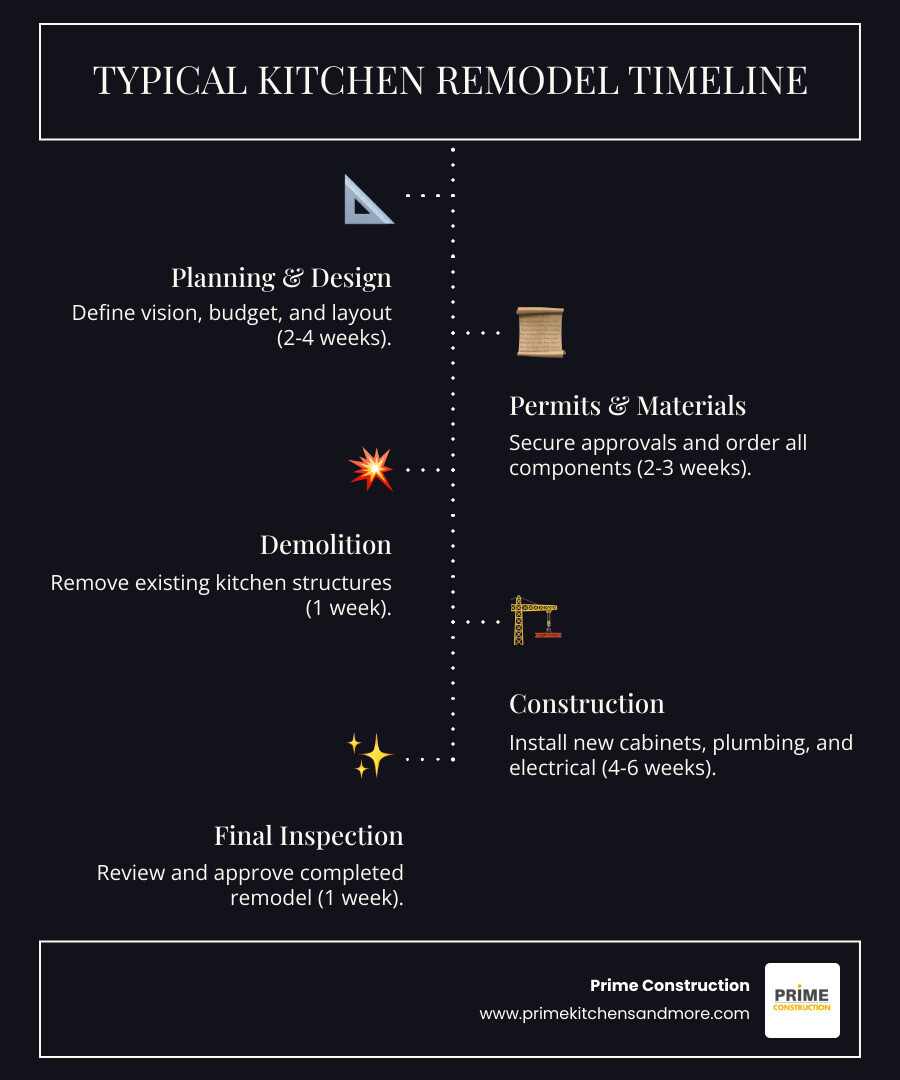
- Takes 2-4 months from planning to completion
The kitchen is the heart of the home, where meals become memories. A kitchen remodel is a valuable investment, often returning 75-100% of its cost. However, choosing the wrong contractor can lead to a nightmare of delays, budget overruns, and stress. Poor communication and planning are common culprits behind failed projects.
This guide will walk you through everything you need to know to choose the right kitchen contractor– from planning and budgeting to asking the right questions and understanding your contract. Whether you’re in Orlando or anywhere else, these steps will help you avoid common pitfalls and create the kitchen you’ve always wanted.
Step 1: Your Pre-Remodel Homework
Before you interview acontractor kitchenspecialist, you need a solid plan. This homework phase is the most important part of the process. Homeowners who skip it often face expensive mid-project changes and functional regrets. Investing time upfront to define your vision and budget will save you thousands of dollars and countless headaches.
Define Your Budget and Scope
Everything flows from your budget. In the US, a realisticcontractor kitchenremodel typically runs between$12,000 and $35,000, with high-end projects in markets like Orlando easily exceeding $50,000. Your final cost depends on materials, appliances, and complexity.
Set aside a 10-15% contingency fund.This is non-negotiable and covers unexpected issues like hidden water damage or electrical upgrades. This fund is a safety net, not a budget for upgrades.
Next, define your scope. Are you doing a simple refresh or a complete gut job? Create a“must-haves” vs. “wants” list. Must-haves solve functional problems (e.g., poor layout, not enough counter space). Wants are the nice-to-haves (e.g., a farmhouse sink, statement lighting). This list helps you prioritize when the budget gets tight. Beware of “project creep”—the temptation to add more work mid-project. Sticking to your plan is the best way to control costs.
Plan Your Design, Layout, and Storage
Your kitchen’s layout determines its efficiency. Thekitchen work triangle—the path between your sink, refrigerator, and stove—is a key principle for minimizing wasted steps. A goodcontractor kitchenspecialist will help you optimize this for your space.
Common layouts include:
- Galley kitchens:Ideal for smaller homes, using two parallel walls.
- L-shaped layouts:Great for medium kitchens, often with room for an island.
- U-shaped kitchens:Offer maximum counter space and storage.
- Island or peninsula kitchens:Create a natural gathering spot in larger spaces.

Prioritize practicality first, beauty second. That stunning open shelving on Pinterest might look great, but will you enjoy dusting the dishes weekly? A skilled contractor helps find the balance between form and function.
Think creatively about storage. Consider vertical cabinetry, pull-out pantries, corner units with lazy Susans, and deep drawers for pots and pans. Smart storage is a game-changer.
Select Key Materials and Finishes
Your material choices define your kitchen’s personality and maintenance needs.
- Countertops:Quartz is a popular choice for its durability and low maintenance. Granite offers natural beauty but requires sealing. Butcher block adds warmth but needs regular care.
- Cabinetry:Solid wood is classic and durable. MDF provides a smooth, stable surface for painted cabinets at a lower cost. Bamboo and reclaimed wood are great eco-friendly options.
- Flooring:Hardwood is timeless but can be sensitive to moisture. Luxury Vinyl Tile (LVT) is durable, water-resistant, and mimics wood or stone convincingly. Ceramic or porcelain tile offers unbeatable durability.
- Backsplash:Subway tile is a classic choice, while glass or natural stone can create a stunning focal point.
- Lighting:A layered approach is best. Useambient lightingfor overall illumination,task lighting(like under-cabinet LEDs) for work areas, andaccent/decorative lightingto add style and highlight features.
If sustainability is important, ask your contractor about Energy Star appliances, low-VOC paints, and water-saving faucets. Doing your homework means you’ll meet contractors with a clear, confident vision for a kitchen that works as beautifully as it looks.

Step 2: Why Hire a Professional Kitchen Contractor?
As you envision your new kitchen, you’ll face a big question: hire a professionalcontractor kitchenspecialist or manage the project yourself? While acting as your own general contractor might seem like a way to save money, it often costs more in the long run through mistakes, delays, and stress.
A professional kitchen contractor is the conductor of your remodeling orchestra. They coordinate all the moving parts—electricians, plumbers, carpenters, tile setters, and more—ensuring everyone arrives in the right order with the right materials. They steer local building codes, pull permits, manage the timeline, and perform quality control on every installation.
Crucially, a professional contractor carries liability insurance. This protects you from financial responsibility if a worker is injured on your property or if accidental damage occurs.
The DIY approach is a full-time job. You’ll be responsible for sourcing and vetting every subcontractor, coordinating their schedules, ensuring they’re insured, obtaining permits, and solving problems as they arise. Consider the story of a client who tried the DIY route. After weeks of stress managing conflicting subcontractors, delayed deliveries, and incorrect orders, he called us to take over. The project ultimately cost more than if he’d hired a professional from the start.
| Feature | Hiring a Professional Kitchen Contractor | Acting as Your Own Contractor (DIY) |
|---|---|---|
| Cost | Pros: Access to trade discounts on materials and fixtures that can offset contractor fees; efficient work means less waste and fewer mistakes.Cons: You’ll pay a contractor markup (typically 20-30%) for their expertise and management. | Pros: You save the contractor’s profit margin and can choose exactly where every dollar goes.Cons: Higher risk of expensive mistakes; no access to wholesale pricing; potential for costly do-overs; hidden costs from poor planning or code violations. |
| Timeline | Pros: Experienced contractors keep projects moving efficiently with realistic schedules and backup plans.Cons: You’ll need to work within their availability and schedule. | Pros: Complete flexibility to work at your own pace and adjust timing as needed.Cons: Significant delays are common when coordinating multiple trades yourself; underestimating time commitments can stretch a 2-month project into 6 months. |
| Quality Control | Pros: Professional standards and accountability; established networks of skilled tradespeople; experience spotting potential problems before they become expensive.Cons: You’ll need to trust their judgment on some technical decisions. | Pros: You personally oversee every detail and make all quality decisions.Cons: Without experience, you may not recognize subpar work until it’s too late; difficulty vetting subcontractor skills; potential for costly rework. |
| Liability & Risk | Pros: Contractor carries insurance for worker injuries and property damage; they’re responsible for fixing problems.Cons: You still need to verify their insurance is current and adequate. | Pros: You maintain complete control over all decisions.Cons: You’re personally liable if uninsured workers get hurt on your property; responsible for fixing all mistakes; no safety net if something goes wrong. |
| Stress Level | Pros: Dramatically reduced stress; the contractor handles coordination, problem-solving, and daily management while you make key decisions.Cons: You’ll still need to stay engaged and responsive for approvals and choices. | Pros: The satisfaction of personal accomplishment and hands-on involvement.Cons: Overwhelming stress managing multiple trades, solving unexpected problems, dealing with delays, living without a kitchen, and working essentially a second full-time job. |
The ideal approach is to be an informed, engaged homeowner who partners with a skilled contractor. Stay involved with weekly check-ins and material reviews, but trust your contractor to handle the technical heavy lifting. Hiring a professionalcontractor kitchenspecialist isn’t about giving up control—it’s about gaining an expert partner to help you realize your vision.
Step 3: Finding and Vetting Your Ideal Kitchen Contractor
Finding the rightcontractor kitchenpartner is about more than checking boxes; it’s about finding a professional who understands your vision. This step requires careful research and honest conversation.
How to Find and Qualify Candidates
- Ask for Referrals:Start by asking friends, family, and neighbors in communities like Orlando or Winter Park for recommendations.
- Read Online Reviews:Check platforms like Google, Houzz, and the Better Business Bureau for patterns in feedback.
- Look for Professional Memberships:Contractors who are members of the National Kitchen & Bath Association (NKBA) or the National Association of the Remodeling Industry (NARI) show a commitment to industry standards.
- Verify Licenses and Insurance:This is non-negotiable. Ensure any contractor you consider holds a proper general contracting license in Florida. You can and should verify this through theFlorida Department of Business and Professional Regulation (DBPR) website. Request proof of both general liability and worker’s compensation insurance and verify they are current.
- Review Portfolios and Call References:Look at photos of completed kitchens and speak with past clients. Ask about their experience with communication, timelines, and problem-solving.
The Interview: Questions to Ask Potential Contractors
During in-person interviews, assess both expertise and personality fit. Here are key questions to ask:
- Experience:How many years have you specialized in kitchen remodels?
- Project Management:Who will be my day-to-day contact, and how often will they be on-site?
- Team:Do you use employees or subcontractors? Can you provide references for key trades like plumbers and electricians?
- Communication:How will you provide updates, and what’s the best way to reach you?
- Bids:Can you provide a detailed, itemized bid breaking down all costs?
- Contract:What type of contract do you use (e.g., fixed-price, cost-plus)?
- Change Orders:What is your process for documenting and approving changes to the scope of work?
- Permits:Do you handle all necessary permits and inspections? (The answer should be yes.)
- Site Management:What is your policy for daily cleanup and debris removal?
- Warranty:What does your workmanship warranty cover and for how long?
- Problem-Solving:How do you handle unexpected issues when they arise?
The cheapest bid isn’t always the best. Compare the total value offered, including scope, materials, and your comfort level with the contractor.
What to Expect from a Professional Kitchen Contractor Team
When you hire a professionalcontractor kitchenteam like Prime Kitchens And More, you’re investing in expertise and peace of mind. You should expect:
- Comprehensive Project Management:A single point of contact to oversee the entire project.
- Expert Permit Handling:Management of all paperwork and inspections with local authorities.
- Skilled Subcontractor Coordination:A network of trusted, high-quality tradespeople.
- Rigorous Quality Control:Regular checks to ensure work meets industry standards.
- Diligent Budget Oversight:Transparent cost tracking and proactive communication.
- Efficient Cleanup and Disposal:A safe and reasonably tidy work site throughout the project.

With 15 years of experience remodeling kitchens in Orlando and surrounding areas, we at Prime Kitchens And More focus on personalized service and premium materials to turn a good remodel into a great one.
Step 4: The Contract and Project Kickoff
You’ve found your contractor; now it’s time to make it official. The contract is your project’s rulebook, a detailed roadmap that protects everyone involved and keeps your remodel on track.
Key Elements of a Solid Kitchen Contractor Agreement
A strongcontractor kitchenagreement is comprehensive and clear. Ensure it includes these critical elements:
- Detailed Scope of Work:A complete description of all tasks, from demolition to final installation. If it’s not in writing, it’s not guaranteed.
- Itemized Costs:A full breakdown of expenses, including labor, materials, and permit fees. This should reflect the itemized bid you requested.
- Material Specifications:The exact brand names, model numbers, and colors for all products. This prevents unapproved substitutions.
- Payment Schedule:A schedule that ties payments to project milestones (e.g., post-demolition, cabinet installation).Never pay the full amount upfront.A reputable contractor won’t ask for it.
- Project Timeline:Realistic start and end dates, with provisions for handling potential delays.
- Change Order Process:A clear procedure for requesting, pricing, and approving any changes to the original plan.
- Permit Responsibility:A clause stating the contractor is responsible for obtaining all permits and coordinating inspections.
- Warranty Details:Information on the contractor’s workmanship warranty and manufacturer warranties for materials.
- Termination Clause:Conditions under which either party can end the agreement.
Read every word before you sign, and don’t hesitate to ask questions. Keep a paper trail of all communications and documents throughout the project.
Preparing for Construction
With the contract signed, it’s time to prep your home for the renovation.
- Confirm the Timeline:Review the start date, end date, and major milestones with your contractor.
- Plan for Demolition:Demolition is noisy and dusty. Decide if you’ll stay home or make other arrangements during this phase.
- Set Up a Temporary Kitchenette:If you’re staying home, create a makeshift kitchen in another room with a microwave, mini-fridge, and hot plate. Stock up on paper plates and patience.
- Clear Out Your Kitchen:Before work begins, completely empty all cabinets and drawers. Pack and label everything to protect it from dust and damage.
- Notify Your Neighbors:Give your neighbors a heads-up about the upcoming work, noise, and extra vehicles. It’s a courteous gesture that maintains good relationships.
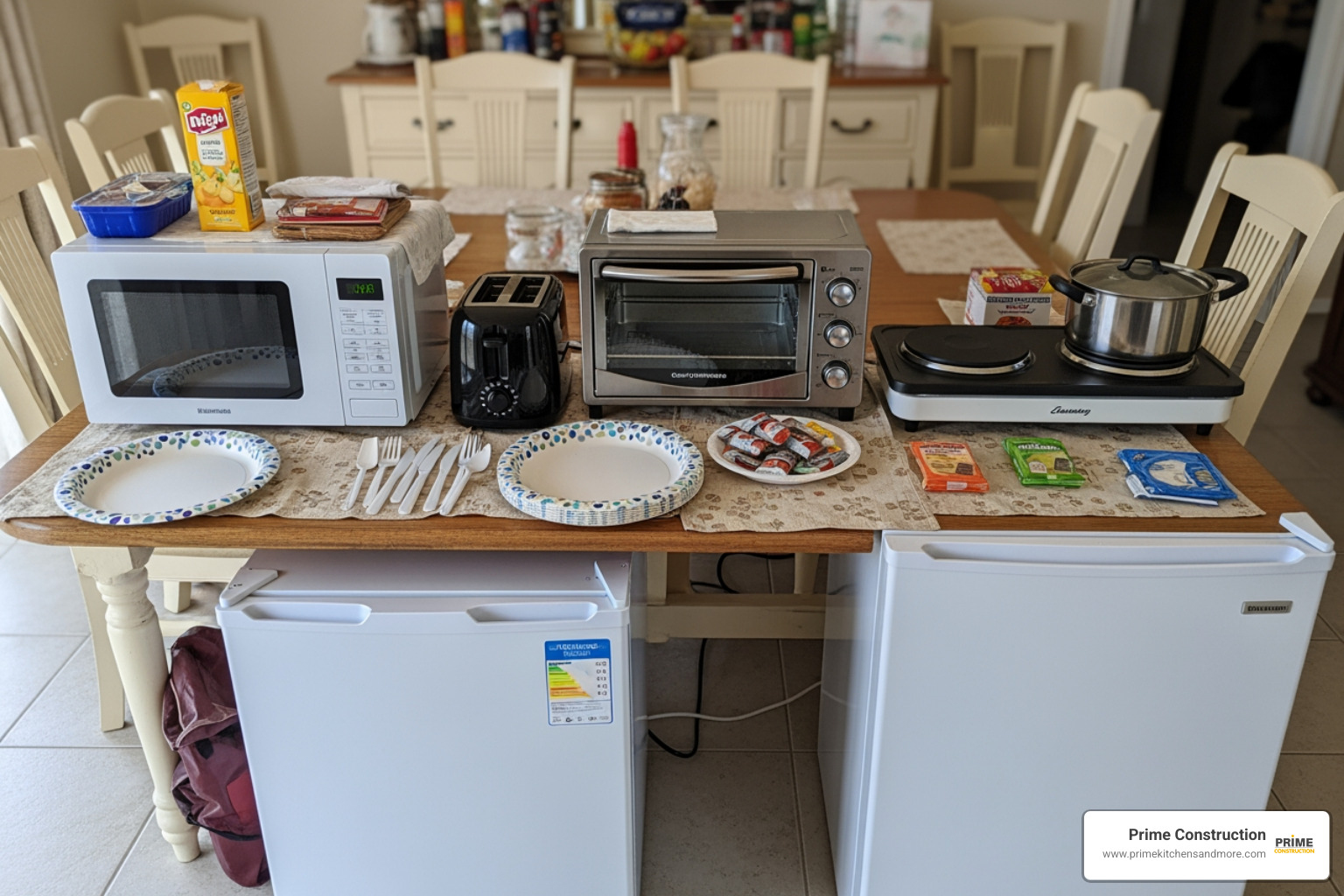
With your home prepped, you’re ready for the change to begin. Trust the process, stay in communication with your contractor, and soon you’ll be enjoying your new kitchen.
Frequently Asked Questions about Kitchen Remodels
How can I keep my kitchen remodel on budget?
Staying on budget requires discipline and a solid plan. Here are the most effective strategies:
- Finalize Decisions Early:Make all your material and design choices before construction begins. Mid-project changes are the number one cause of budget overruns.
- Communicate Your Budget:Be upfront with your contractor about your financial limits so they can guide you toward suitable options.
- Protect Your Contingency Fund:Your 10-15% contingency fund is for true emergencies, like hidden plumbing or structural issues, not for upgrades.
- Get Multiple Itemized Bids:Compare at least three detailed bids to understand what’s included in each price. The cheapest option isn’t always the best value.
- Resist “Project Creep”:Stick to your original scope of work. That “while we’re at it” mentality can quickly derail your budget.
What’s the difference between a residential and a ‘contractor kitchen’?
This term can have a couple of meanings. For a homeowner, acontractor kitchensimply refers to a kitchen professionally designed and installed by a licensed contractor or remodeling company. It signifies a project managed from start to finish by an expert, ensuring quality, code compliance, and a custom result custom to your needs. This is the opposite of a DIY or piecemeal installation.
In the construction industry, the term can also refer to standardized kitchens supplied in bulk for new housing developments. While your contractor might source materials from these suppliers for cost-effectiveness, the focus for your personal remodel is on creating a custom space for your family.
How far in advance should I book a kitchen contractor?
We strongly recommend youstart your search and book a contractor 3 to 6 months before you want construction to begin.
This timeframe allows for a thorough process:
- Vetting:Researching contractors, checking references, and comparing bids takes time.
- Design & Planning:You’ll need several weeks to finalize your layout and select all your materials without feeling rushed.
- Permits:Acquiring permits from local building departments can take several weeks.
- Material Lead Times:Custom cabinets, countertops, and specialty tile can take 6-10 weeks or more to arrive.
Starting early ensures you can hire your preferred contractor, whose schedule may be booked months out, and allows for a smooth, well-organized project from start to finish.
Conclusion: Your Recipe for a Successful Remodel
A kitchen remodel is a major home investment, but with the right preparation and partner, it can be an exciting and rewarding journey. The key is building a genuine partnership with yourcontractor kitchenspecialist.
We’ve covered the essentials: planning your budget and design, vetting contractors, and signing a solid contract. Your role is to bring the vision; your contractor’s role is to bring the expertise to execute it flawlessly. They steer building codes, manage subcontractors, and solve problems, turning a complex process into a finished space you’ll love.
For homeowners in Orlando, Winter Park, Apopka, Kissimmee, and throughout Central Florida, a local partner who understands the area makes all the difference. At Prime Kitchens And More, we’ve spent 15 years perfectingkitchen remodeling. We specialize in full house remodeling with a focus on kitchen and bathroom design, bringing personalized service and premium materials to every project.
Our design-build approach means you work with one cohesive team from concept to completion, ensuring clear communication and accountability. We’re not just building kitchens—we’re creating the heart of your home, a space for memories to be made for years to come.
Ready to start your kitchen change?Learn more about our kitchen remodeling services in Orlando, FLand let’s talk about turning your vision into reality.